How to choose the perfect kitchen chair: a guide for every style and space
Which kitchen chair should you choose? The ultimate guide to getting it right
Have you already found the perfect kitchen chair? When designing your new kitchen, your thoughts naturally rush to choosing cabinet doors, worktop finishes or appliance layouts. Kitchen seating is often treated as an afterthought, as something to be purchased without much planning. However, the truth reveals itself the first morning you sit down with a hot cup of coffee and discover that your last-minute choice is far too rigid. A good kitchen chair must support long, late-night conversations with friends and withstand the inevitable stains of Sunday lunch. In this article, we will guide you through finding your ideal kitchen seating by considering all the key variables: style, material, ergonomics and how to pair it with your table.
Why your kitchen chairs matter more than you think
Today, the kitchen is the most lived-in room in the home: it is no longer just a place to eat, but an impromptu home office, a homework station and a late-night sanctuary for a chat over a cup of tea. Because of this, the chair is the object we interact with most frequently, directly impacting our well-being and posture. Picture an intimate dinner party: the lasagne is flawless, the wine is excellent and the playlist is spot-on. Yet, if your guests start shifting uncomfortably due to a poorly designed backrest, the magic is lost. Investing in seating just as you would the rest of your furniture ensures long-lasting comfort whilst elevating the room’s visual appeal.
The main types of kitchen chairs
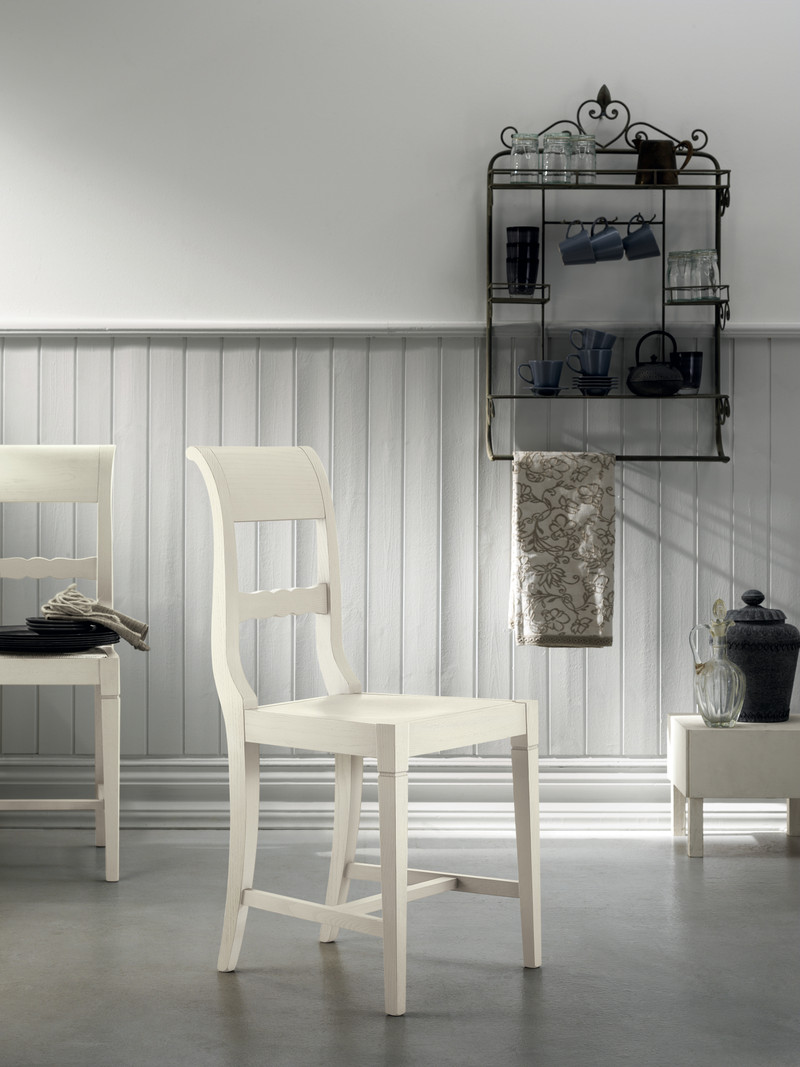
Classic chair with backrest
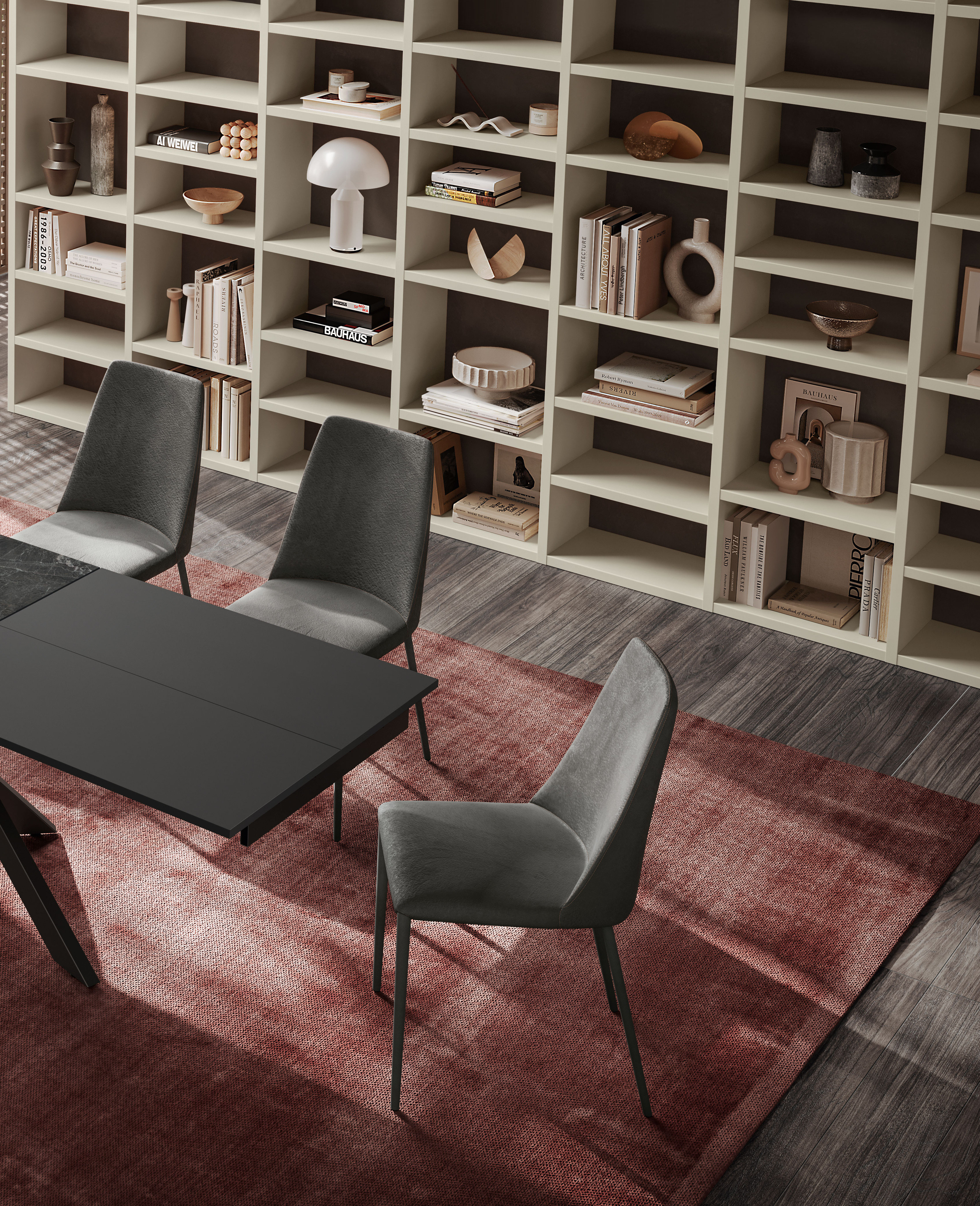
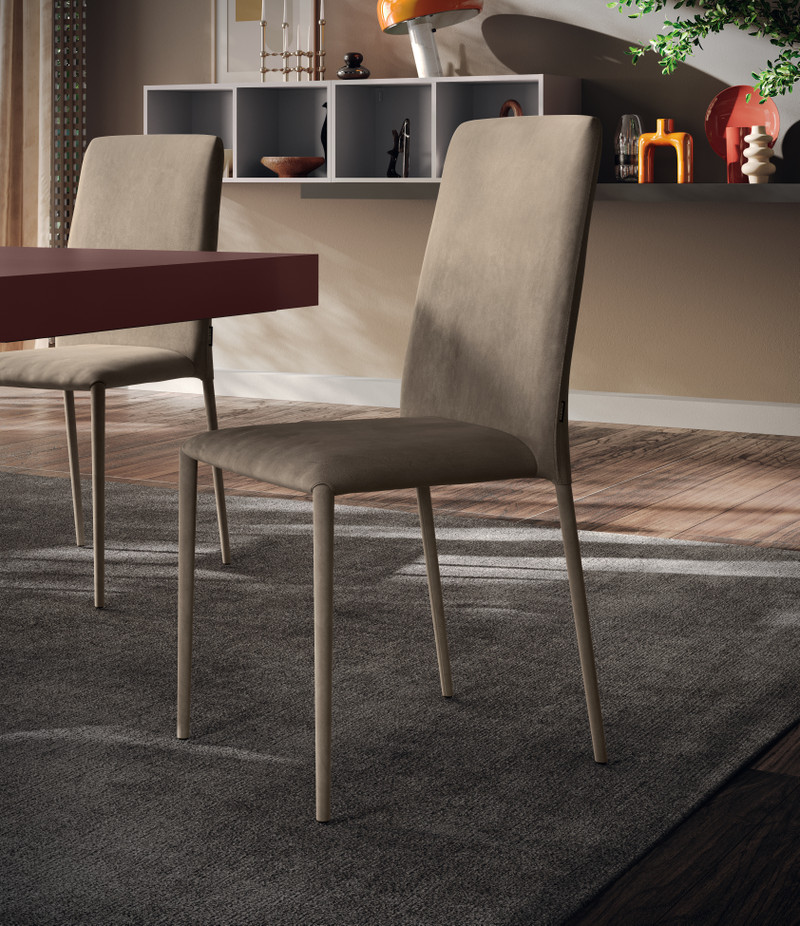
A chair with a traditional backrest, such as the Cloe model, is a fool proof choice for stability. It is highly recommended for those who love to linger at the table, as it fully supports the spine throughout meals. The only element to watch is the overall visual bulk: in smaller rooms, a row of very high backrests can make the space feel heavy.
Chair with armrests
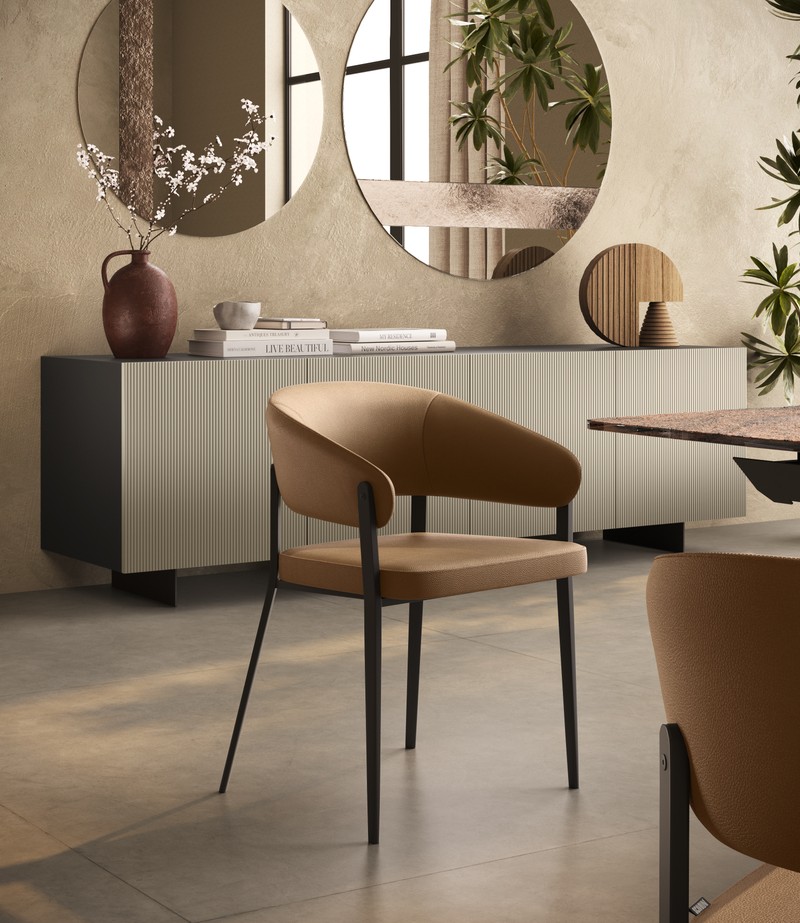
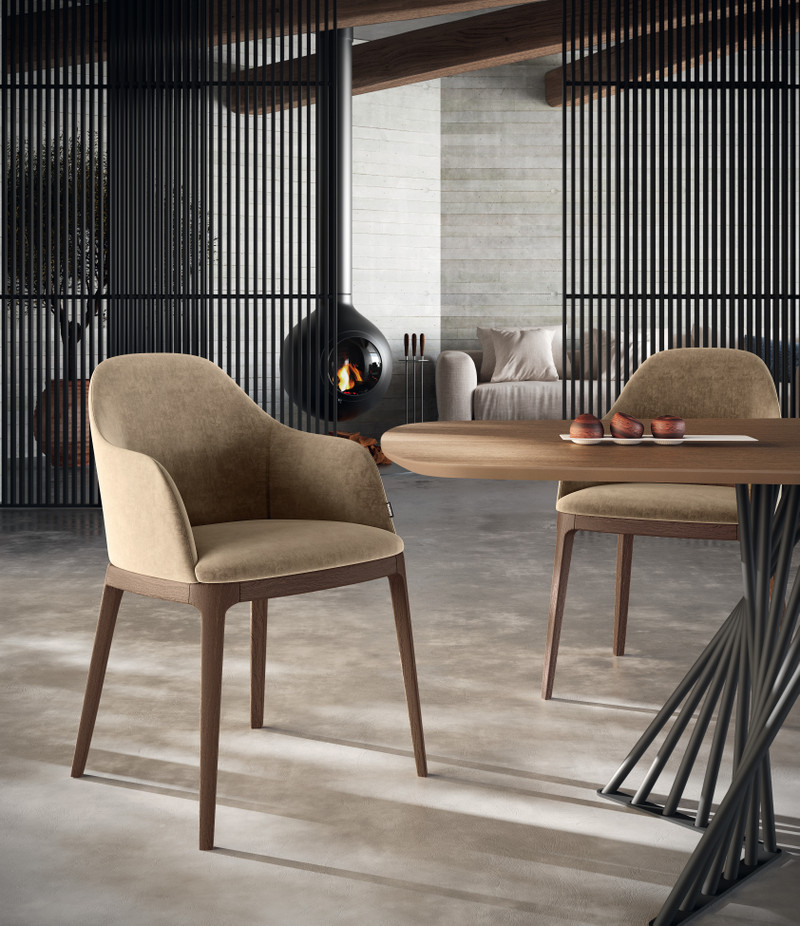
Once reserved exclusively for formal dining rooms, chairs with armrests are increasingly taking over open-plan living areas. This style offers an enveloping, snug seat akin to a small reading chair. Before purchasing, carefully check that the armrest height allows the chair to slide freely underneath the tabletop so it does not block passageways when not in use.
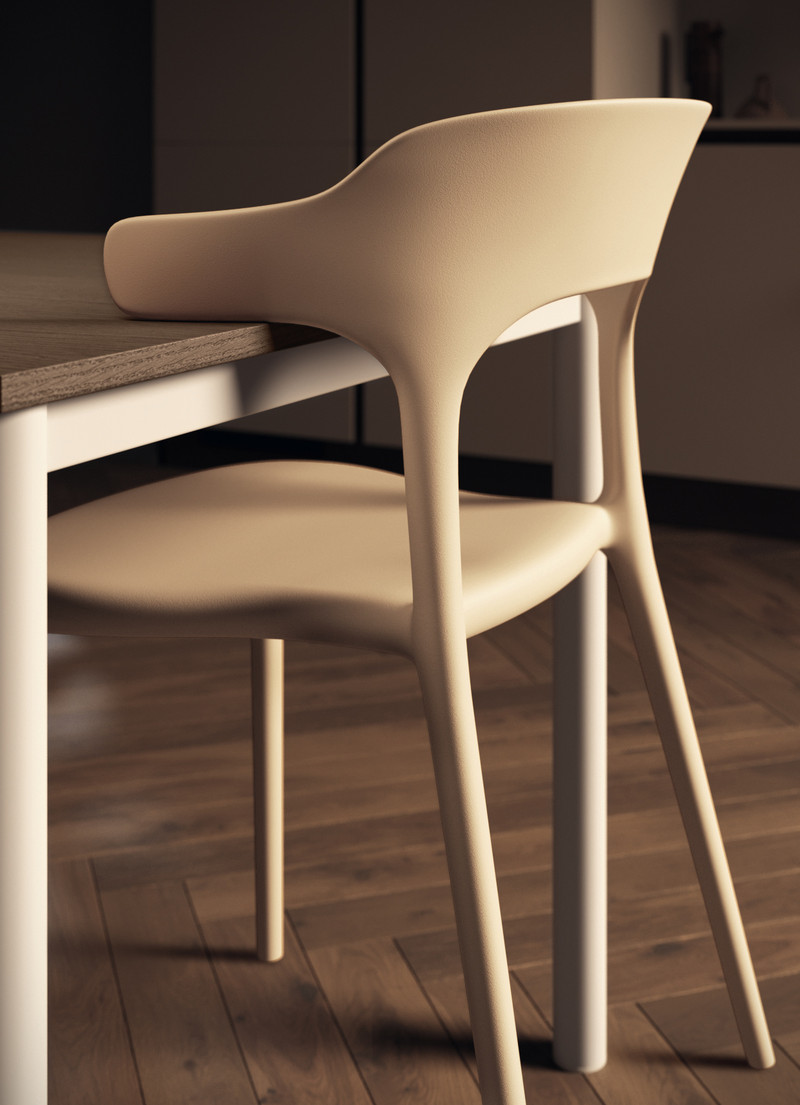
Stackable chair
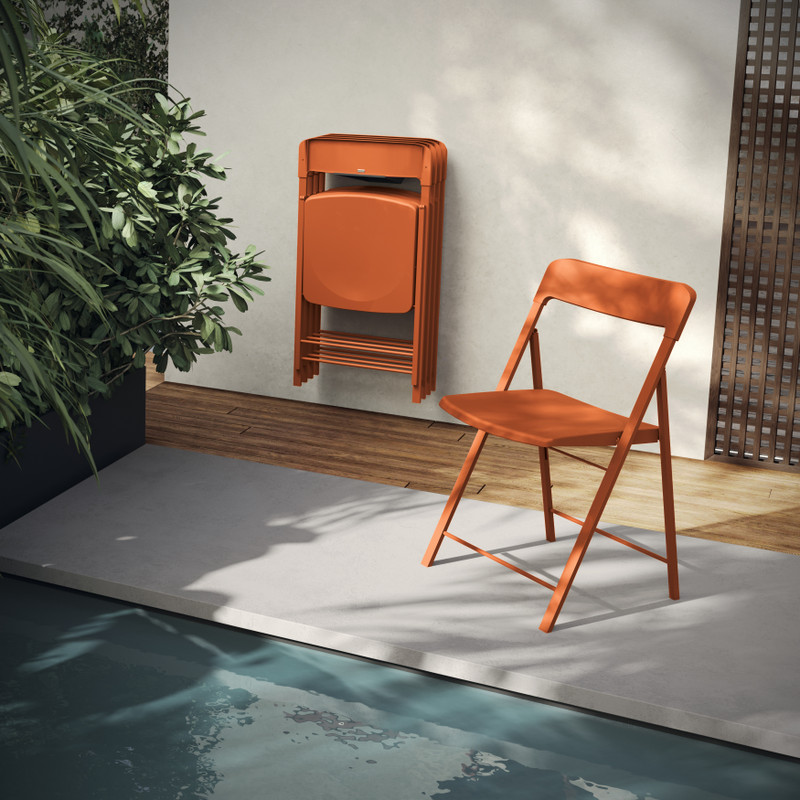
If your home is compact or you love hosting impromptu gatherings, a stackable chair like the Lean model proves to be a formidable ally, blending aesthetics with space optimisation. You can arrange the necessary seating around the table and keep the extra pieces tucked away in a utility room, ready to be brought out whenever needed.
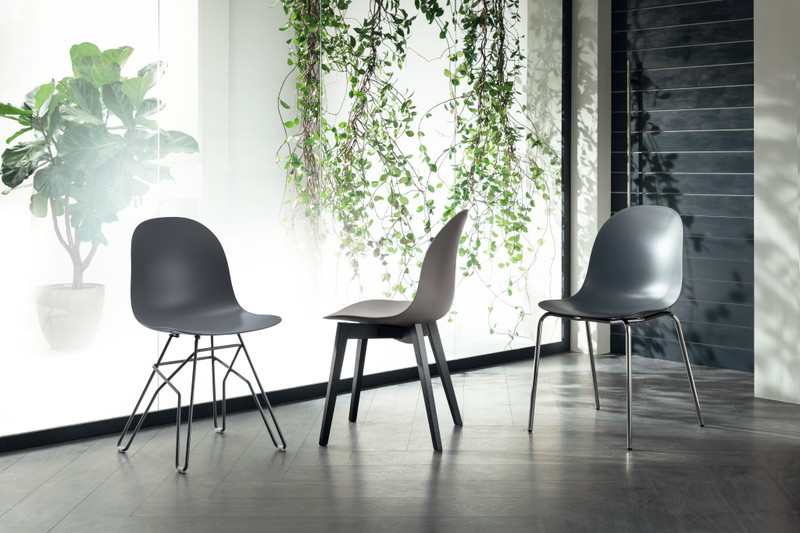
Modern designer chair
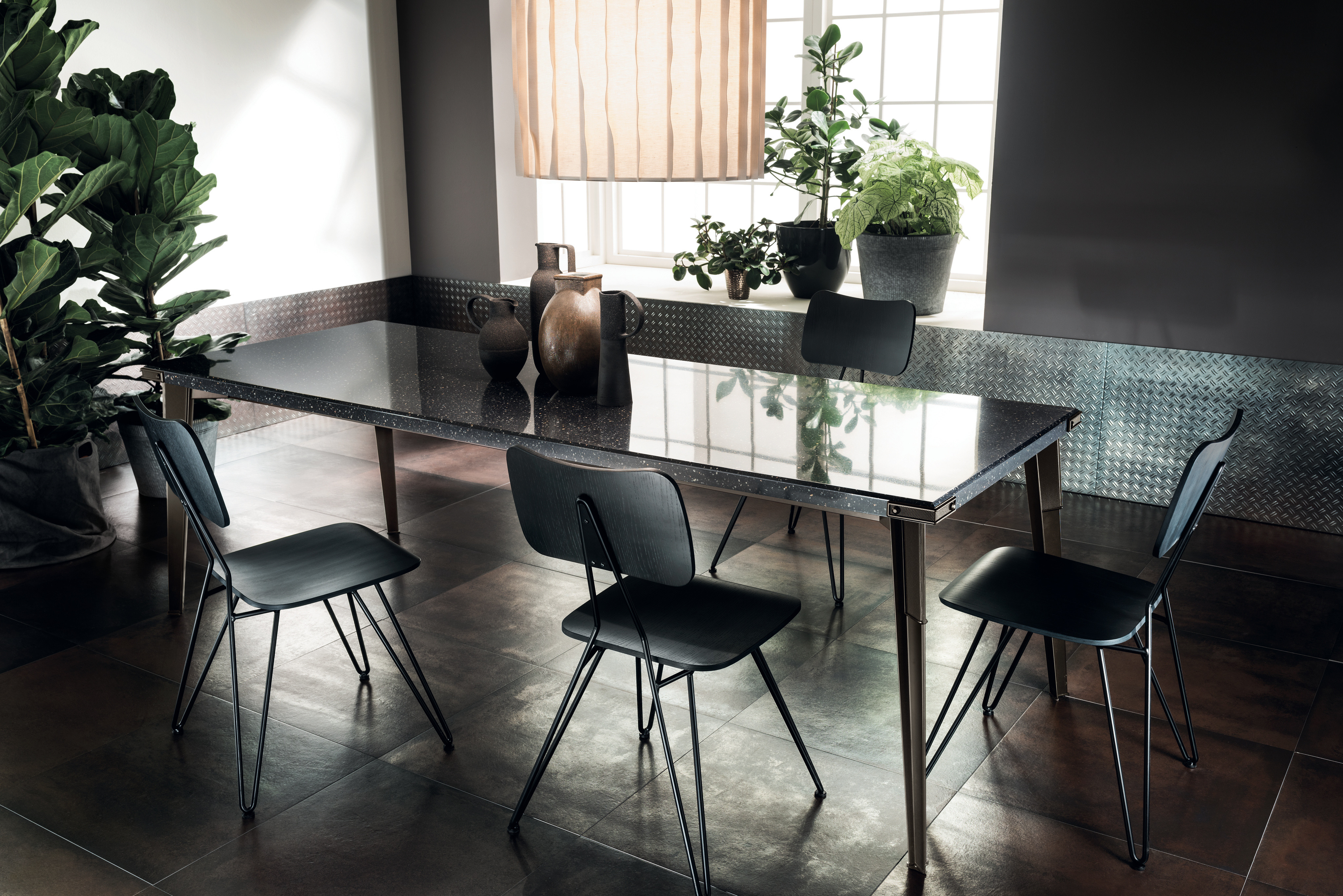
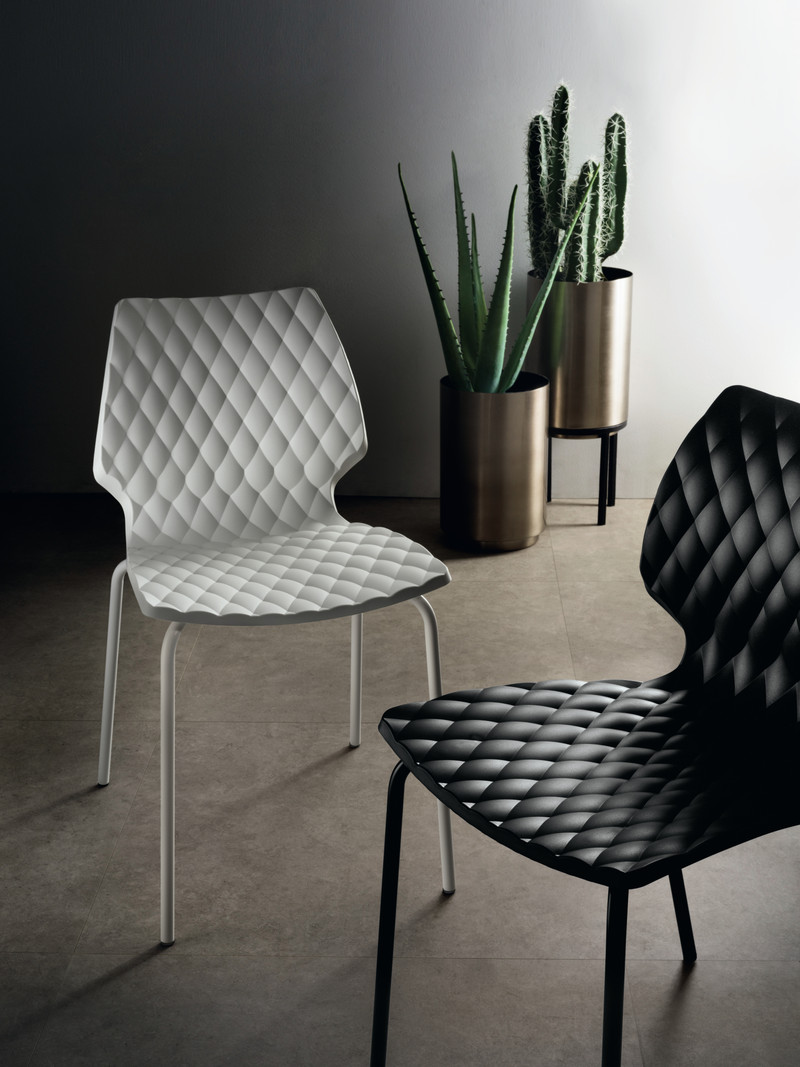
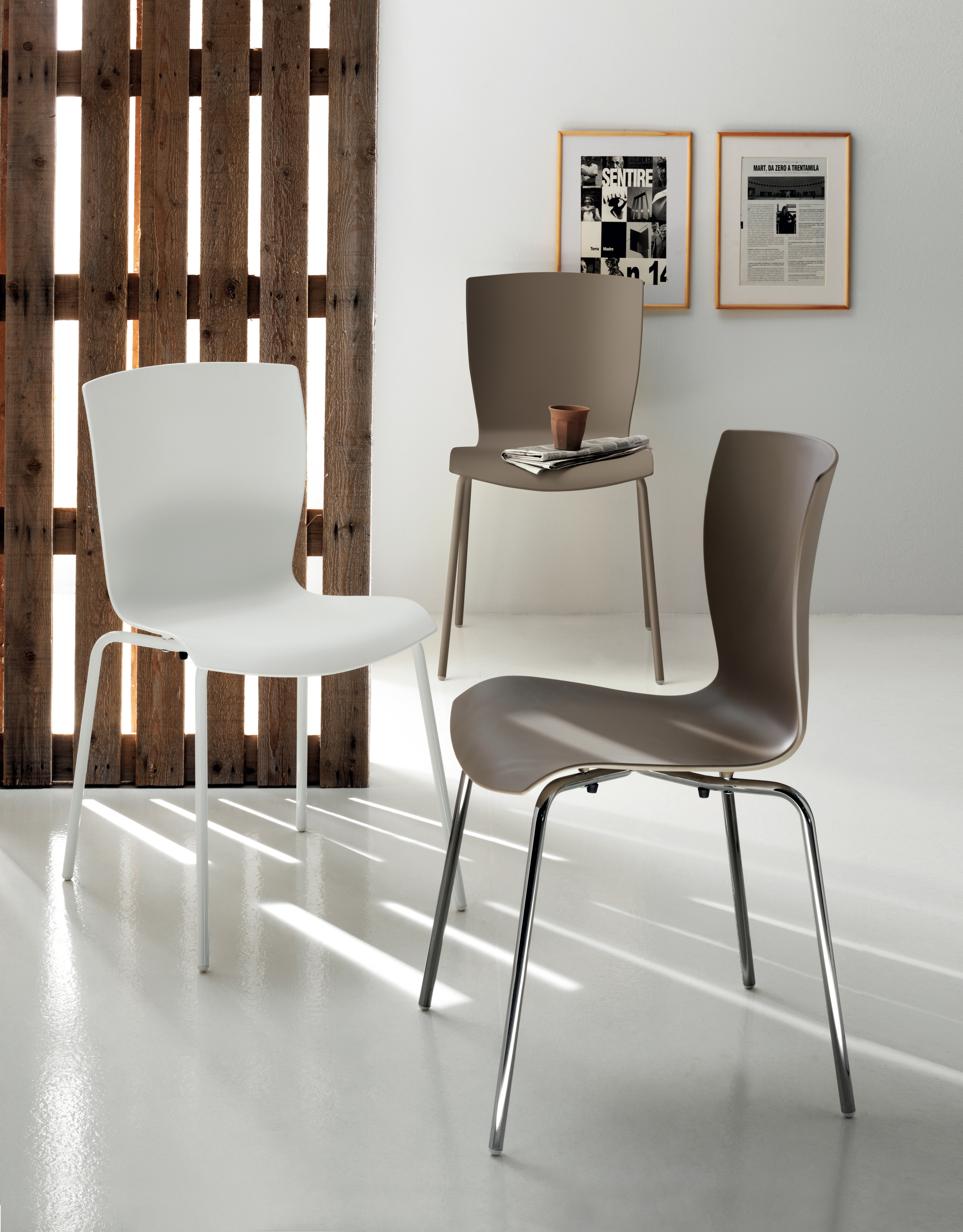
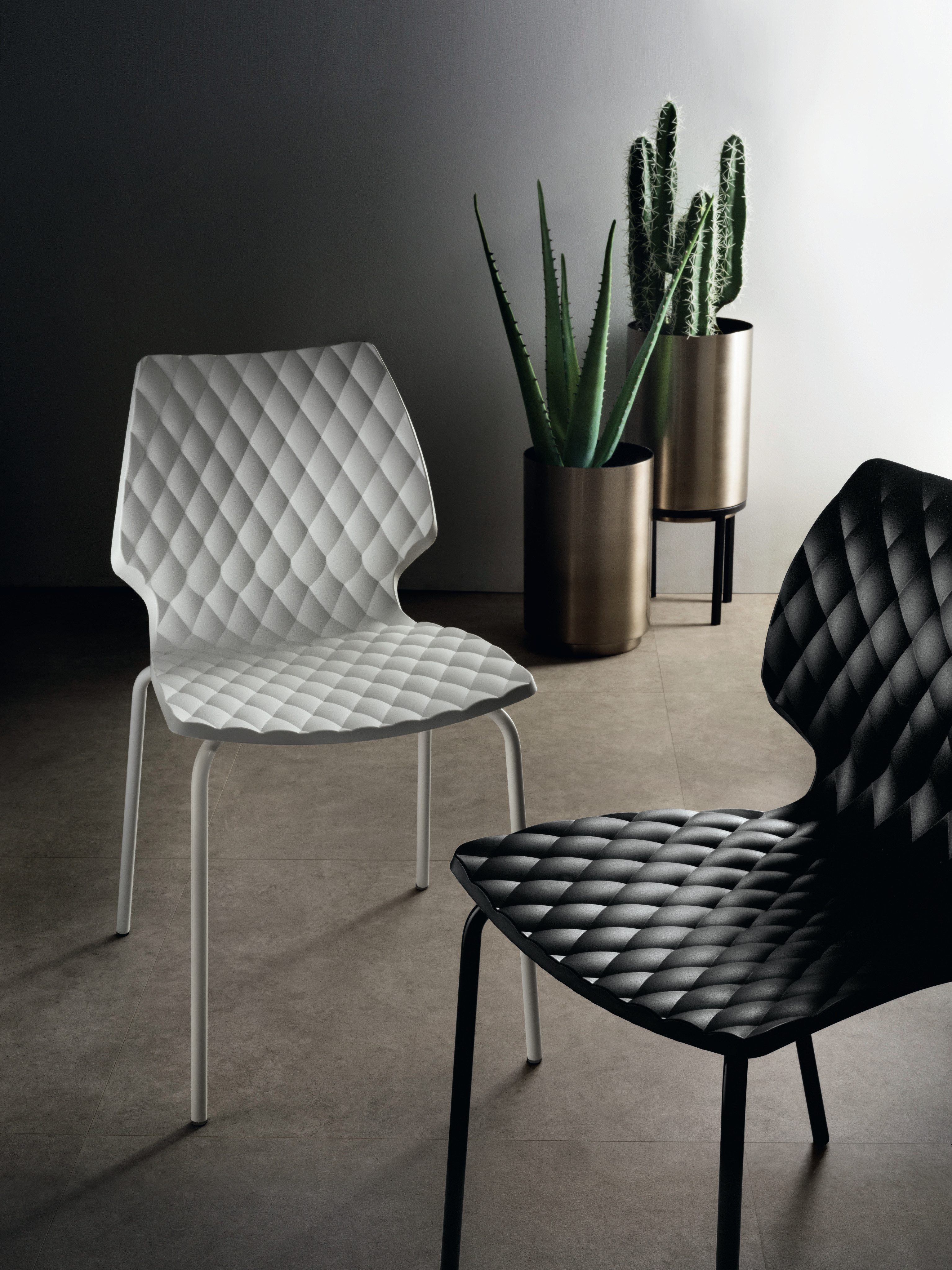
Today, modern kitchen chair design focuses entirely on clean-cut, geometric silhouettes and sophisticated materials. The stars of the contemporary dining room are one-piece chairs, which integrate the backrest and seat without any visible joints or welds, usually moulded from hard-wearing plastics or metal. Looking at Scavolini models, like Chatty or Homy, it is easy to see how a single shaped piece can bring immense character to a room, combining style with the comfort you look for when sitting down to dine. You can also read our dedicated article exploring a series of modern chairs perfect for the kitchen.
Kitchen chair materials: choosing for day-to-day life
Materials dictate the longevity of your seating and how quick it is to clean. Assessing your personal taste and family routine will guide you towards the perfect finish.
Wood: warmth and versatility
The wooden chair is a true evergreen. It fits perfectly into classic or country-style kitchens, instantly warming up the atmosphere, but it can also reveal a modern edge when chosen in lacquered variants. What about daily cleaning? Keep in mind that wood dislikes standing moisture, which can cause the paint to lift or soak into the grain. The golden rule of cabinetmakers is to wipe gently with a damp microfibre cloth and dry the surface immediately to protect it.
Metal: hard-wearing durability and industrial or modern style
Available in chrome-finish, satin finish or painted finishes, metal chairs combine excellent structural solidity with a visually slim profile. For those who love loft-style living and urban atmospheres, they are an ideal choice. This sleek aesthetic comes with extraordinary everyday practicality: the surfaces do not absorb liquids, can be sanitised in seconds and are highly scratch-resistant, making them the perfect solution for homes with pets.
Eco-leather and upholstered fabric: comfort first.
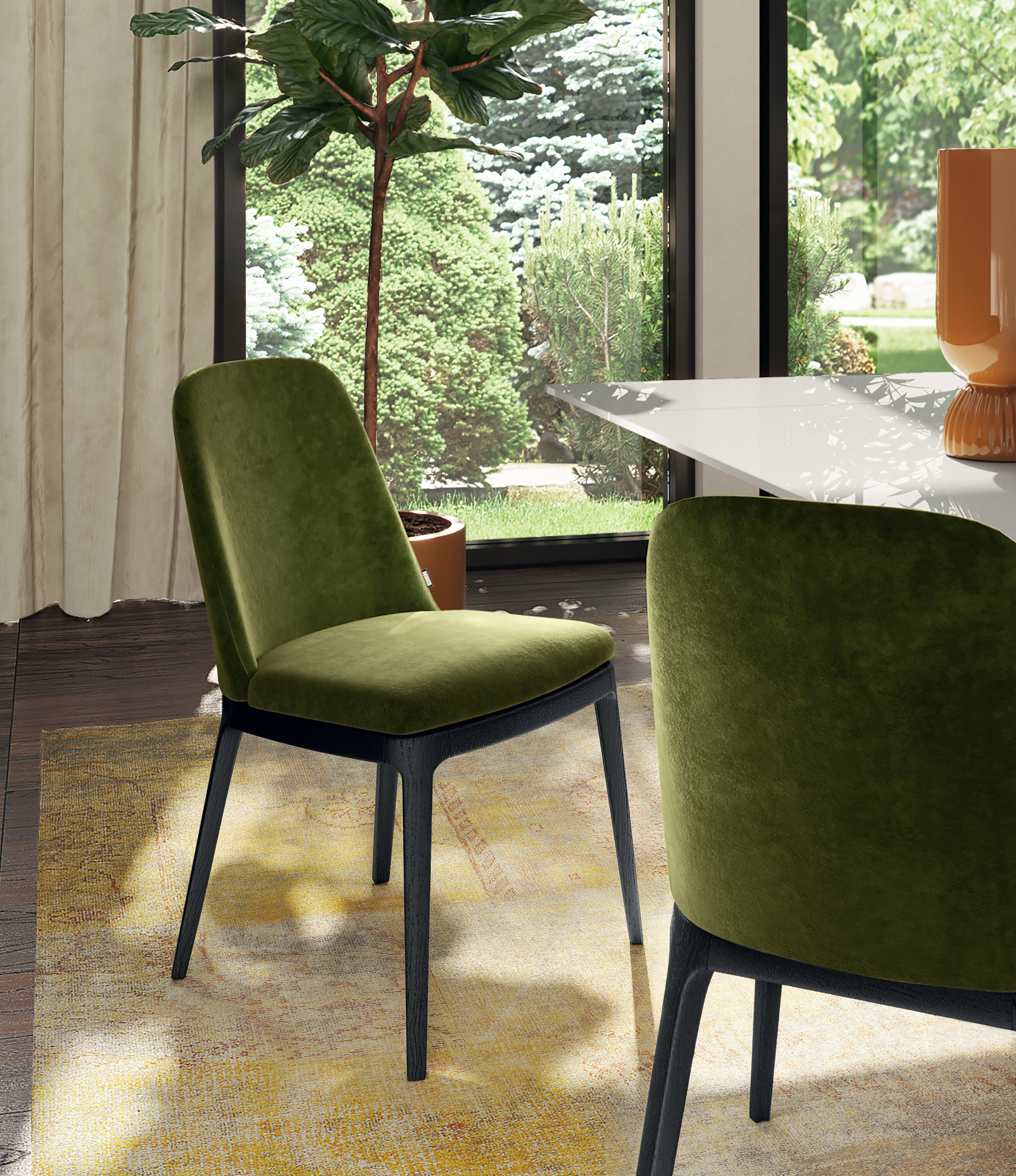
If you consider the dining area to be the heart of your social life, eco-leather or upholstered fabric chairs offer the ideal softness and comfort designed to extend the pleasure of dining. Eco-leather, in particular, marries beauty with practicality: if you act fast, even the most stubborn stains can be removed with a soft sponge without leaving unsightly marks.
Designer’s note: you might be pleased to know that Scavolini’s upholstered fabrics undergo cutting-edge water-repellent treatments, designed to protect the beauty of your chairs from everyday mishaps.
Polypropylene and synthetic materials: practicality and contemporary design
Technopolymers are the true heroes of dynamic, contemporary spaces. Polypropylene chairs are lightweight, shock-resistant and incredibly versatile thanks to a rich colour palette. What’s more, they are impervious to moisture and can withstand standard degreasers and household cleaners, making them ideal for frequent sanitisation.

Ergonomics and measurements: how important is kitchen chair height?
What use is a beautiful chair if you cannot wait to stand up after ten minutes? Ergonomics in the kitchen is all about the correct proportions between the seat and the table. Take note of these key guidelines:
- the standard height of a chair usually ranges between 43 and 47 cm (going higher or lower would compromise your posture relative to a standard table);
To ensure total freedom of movement for your legs, the clear clearance between the seat and the underside of the table should be between 25 and 30 cm. A vital design detail: if your table features a deep under-frame apron or cutlery drawers, be sure to calculate this restriction before finalising your purchase.
- to allow guests to sit down comfortably, it is ideal to maintain a distance of at least 60 to 80 cm between the edging of the table and the nearest obstacle (if it faces a cupboard, remember to factor in the opening of doors or drawers).
How to pair chairs with the table and kitchen style
Creating the right dialogue between your matching furniture allows you to achieve a harmonious look worthy of an interior design magazine. Where should you start?
Matching by style: coherence or contrast?
The former design philosophy embraces continuity, selecting chairs that echo the materials and era of the surrounding kitchen furniture, particularly the kitchen table. The second option explores the charm of deliberate contrast, such as pairing minimalist, transparent polycarbonate chairs with a rustic, solid wood table. This visual break softens the rigidity of the space and gives the room distinct character.
Matching by colour and finish
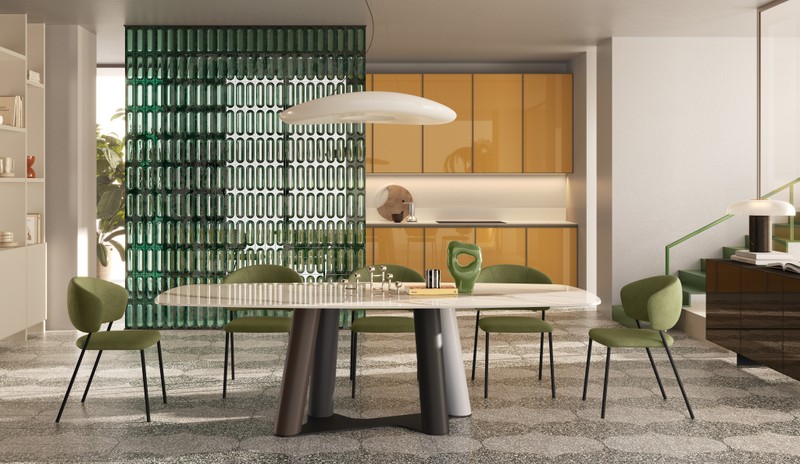
An excellent way to coordinate your seating with the rest of the room is to pick up on a specific colour detail, such as the finish of the worktop, the material of the handles or the shade of the shelves. What if your kitchen leans toward neutral tones like white or dove grey? Then introducing chairs in bold hues, such as sage green or teal, instantly revives the space and gives it a fresh personality.
Chairs for the modern kitchen: the most popular choices
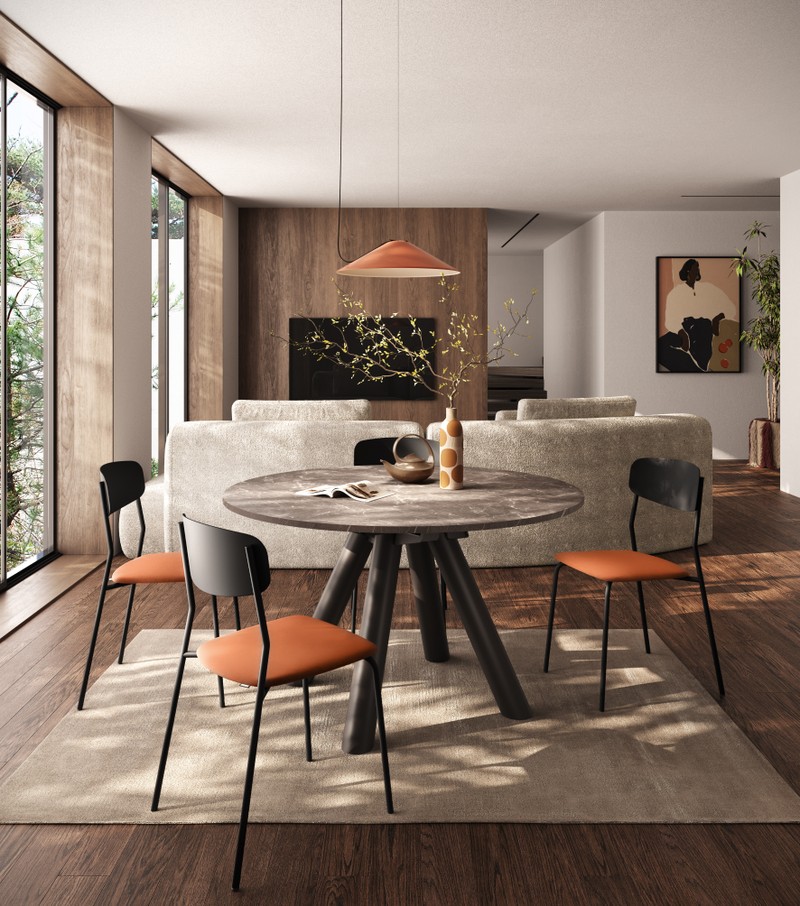
Finding the ideal modern kitchen chair is also a matter of layout. Every arrangement has its rules: if you have opted for a linear kitchen, the focus will be on the perfect pairing of chairs and a round dining table for instance. If your open-plan space features a configuration with an island or a peninsula, you can have fun mixing heights, complementing classic dining chairs with stylish bar stools for quick meals or happy hour.
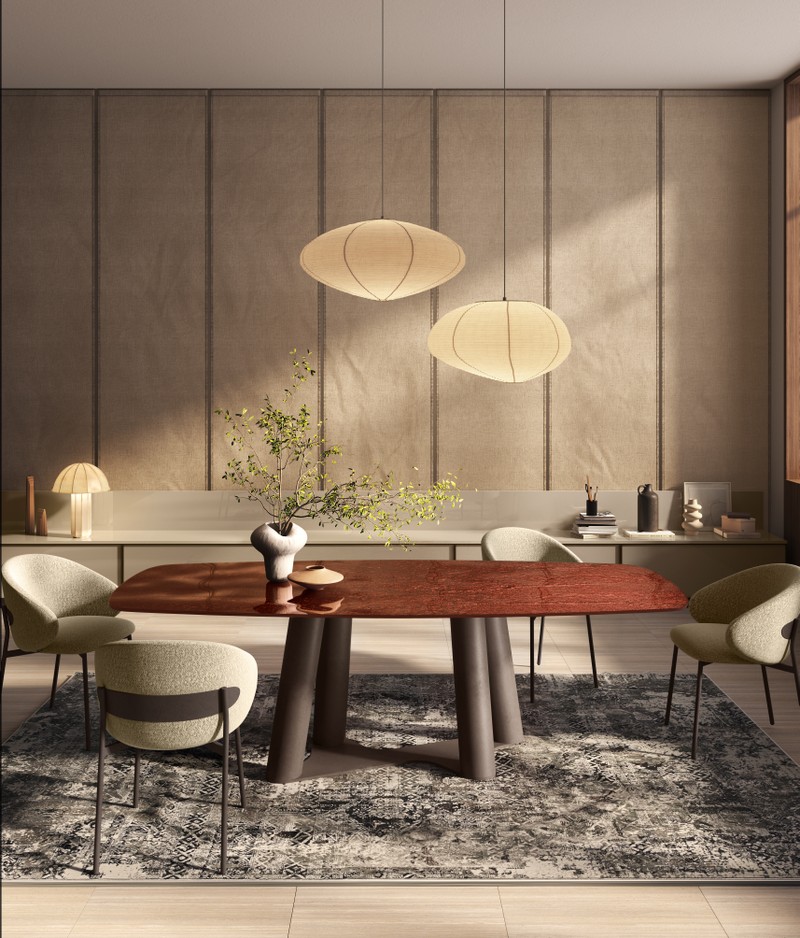
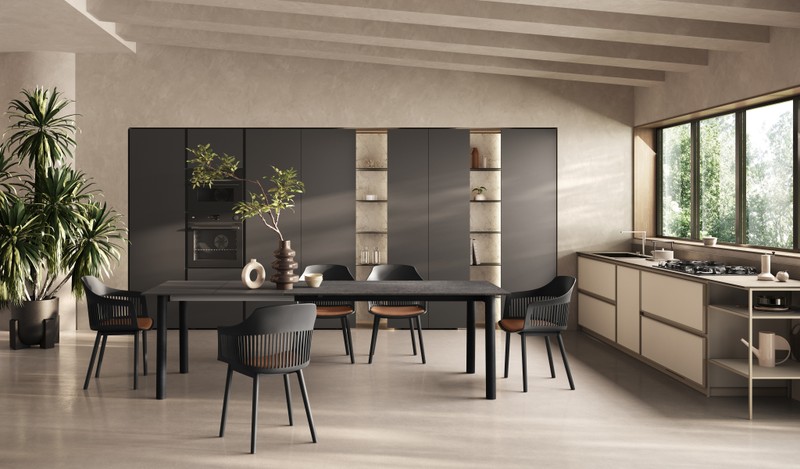
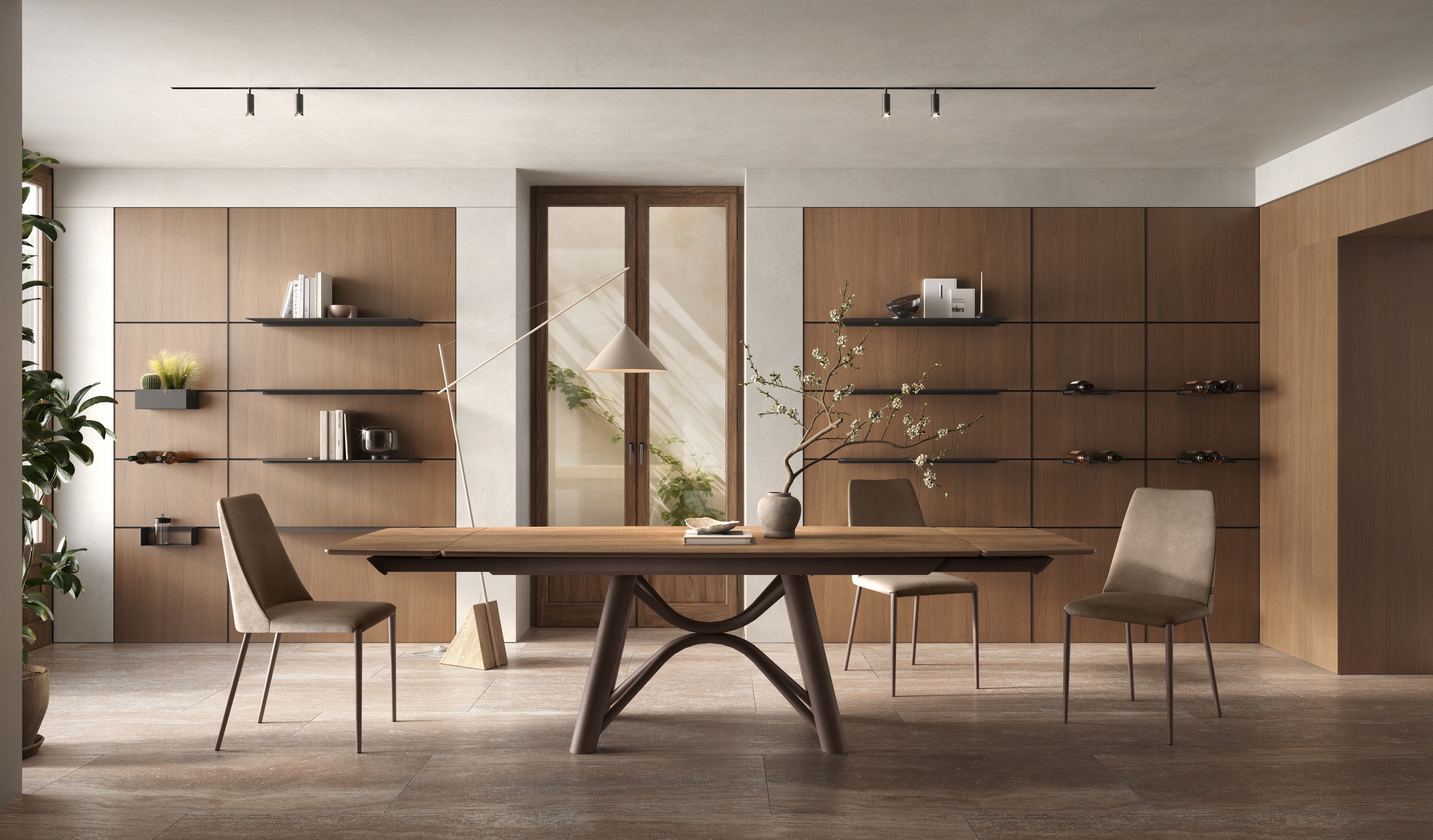
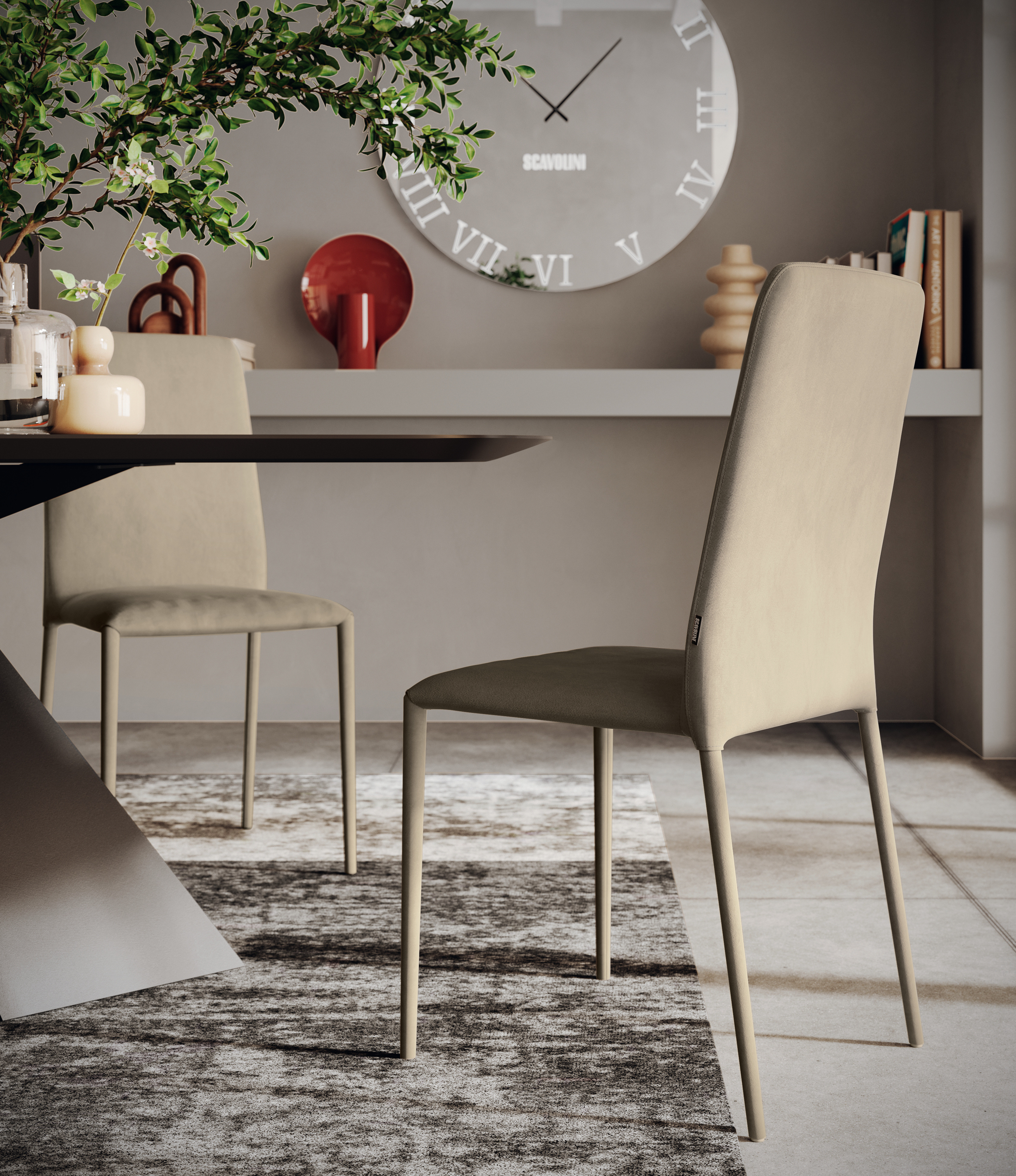
Chairs vs stools in the kitchen: which to choose and when
Speaking of stools, in contemporary homes, traditional chairs and high stools frequently coexist. How do you make the most of them? It all depends on your furniture layout and daily activities.
Arranged around a snack area or a breakfast bench, high stools win hands down when it comes to fast-paced routines and informal socialising, catering to everything from a quick morning coffee before work to Saturday evening drinks. One of the main benefits of stools is that they keep visual clutter to an absolute minimum; backless models can disappear completely under the worktop when not required. And for family dinners? Arranging chairs around a proper dining table remains the wisest choice, offering full lumbar support and comfortably accommodating guests of all ages.
Common pitfalls to avoid when choosing kitchen chairs
Enthusiasm for striking aesthetics can easily cause us to overlook practical aspects. Here are the most common missteps to avoid:
- buying chairs that are too wide without measuring the clear width between the table legs, which prevents the chairs from tucking in properly after use;
- choosing light-coloured, non-removable upholstery when you have young children, leaving you to nervously monitor every drawing session involving felt-tip pens;
- forgetting to calculate the required number of seats based on the actual dimensions of the table, running the risk of overcrowding the sides and causing guests to bump elbows;
- ordering seating without checking the height of the tabletop, which can result in knees knocking against the edging or perimeter apron.
Finding the perfect kitchen chair simply requires a little attention. When choosing between different models, keep this checklist of criteria in mind:
1. Assess the type of chair best suited to your needs, deciding between the comfort of an enveloping backrest or the practicality of a stackable frame.
2. Verify the ergonomics, calculating the correct heights and the clearance required to move around without obstacles.
3. Carefully consider the chair-to-table combination, ensuring the measurements leave plenty of legroom.
4. Play with the mood of the kitchen, deciding whether to follow a path of colour uniformity or a more vibrant contrast.
Within the Scavolini matching furniture collections, you will find a rich variety of designs created to complete your kitchen layout. You can start exploring our chair models on-line or, better still, book a personalised consultation directly in-store.