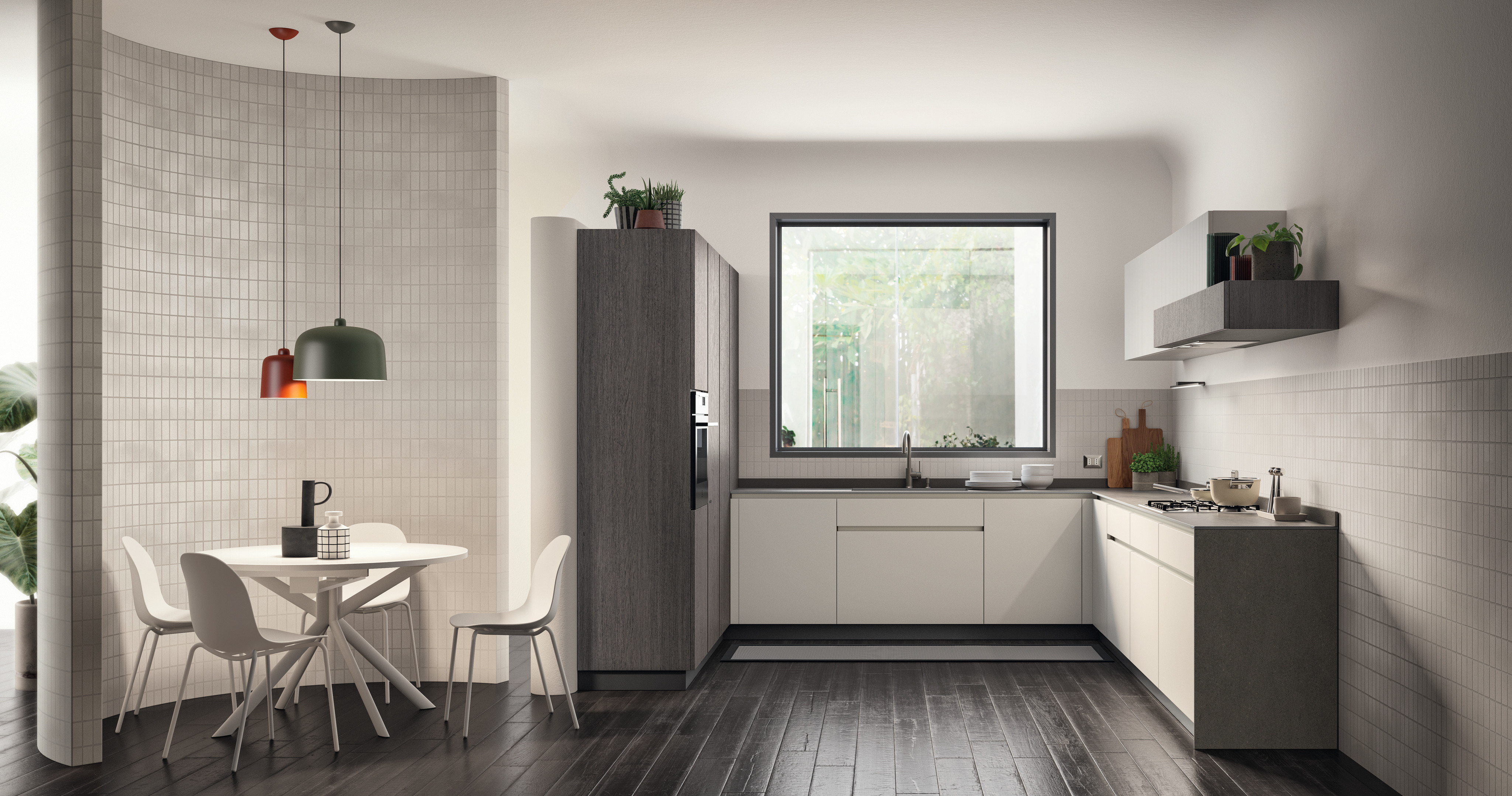
How to choose a kitchen table
Kitchen tables: a guide to choosing between functionality and design
Are you and your partner still struggling to settle on the right kitchen table? Beyond offering a sturdy surface for enjoying meals, working on crosswords, or booking your next holiday, a kitchen table must blend in with the rest of your furniture, respecting both the proportions and overall aesthetic of the space. In this guide, you will discover everything you need to know about kitchen table models, navigating dimensions, round versus rectangular shapes and leg and table top materials.
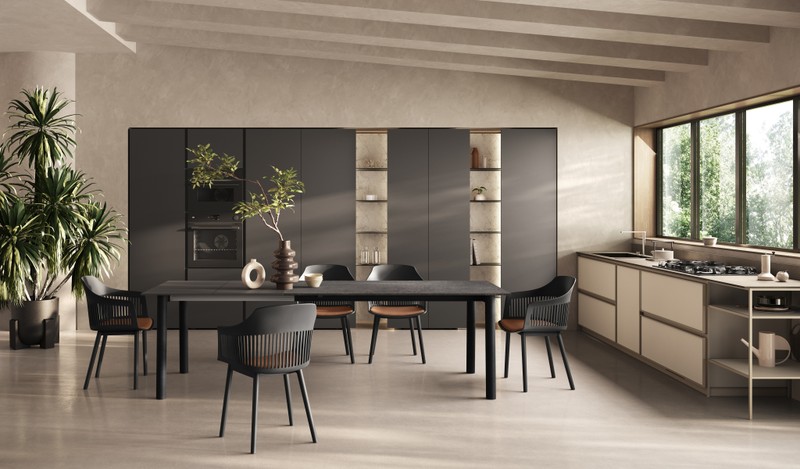
How to find the perfect kitchen table for your needs
When moving into a new home or redecorating, the most common mistake is letting pure instinct or aesthetics drive your decision. An instant connection with a kitchen table certainly carries weight, but the recipe for a successful interior design project also requires a good measure of practical thinking.
A quick design tip: before browsing through catalogues, grab a tape measure and mark out the usable floor space in your living area, taking structural features such as doors, windows and radiators into account. The available space dictates the proportions your new table must adhere to.
Dimensions and layouts: the golden rules of ergonomics
Let us get down to the practicalities: what is the minimum distance between the table and the rest of the kitchen? How do you calculate the footprint needed for each diner? There is an essential technical clearance needed to move around comfortably: to pull out a kitchen chair and sit down or stand up without hitting the wall or wall unit doors, you must leave a clear gap of at least 70 cm. Each guest should also have a minimum allowance of 60 cm in width to use their cutlery without bumping into their neighbours.
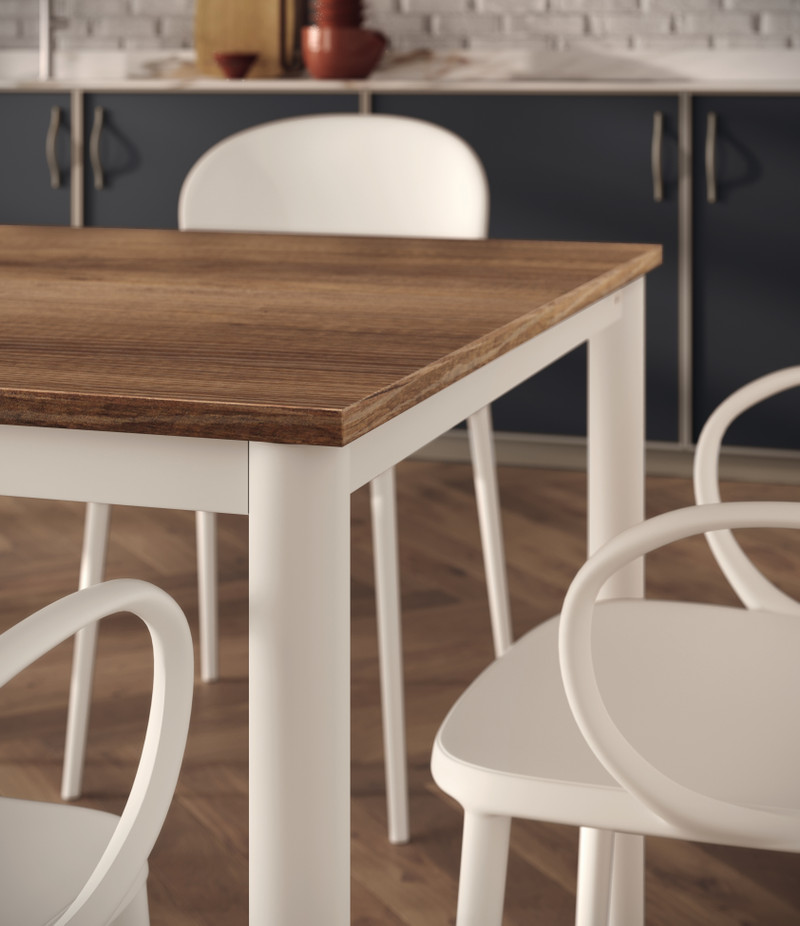
Fixed vs. extending tables: which configuration to choose?
Cross-reference this physical data with an honest look at your lifestyle: are you a couple who frequently dines out, or a large family that loves hosting Sunday lunches? Choosing between a fixed or extensible table defines how you will use your living area.
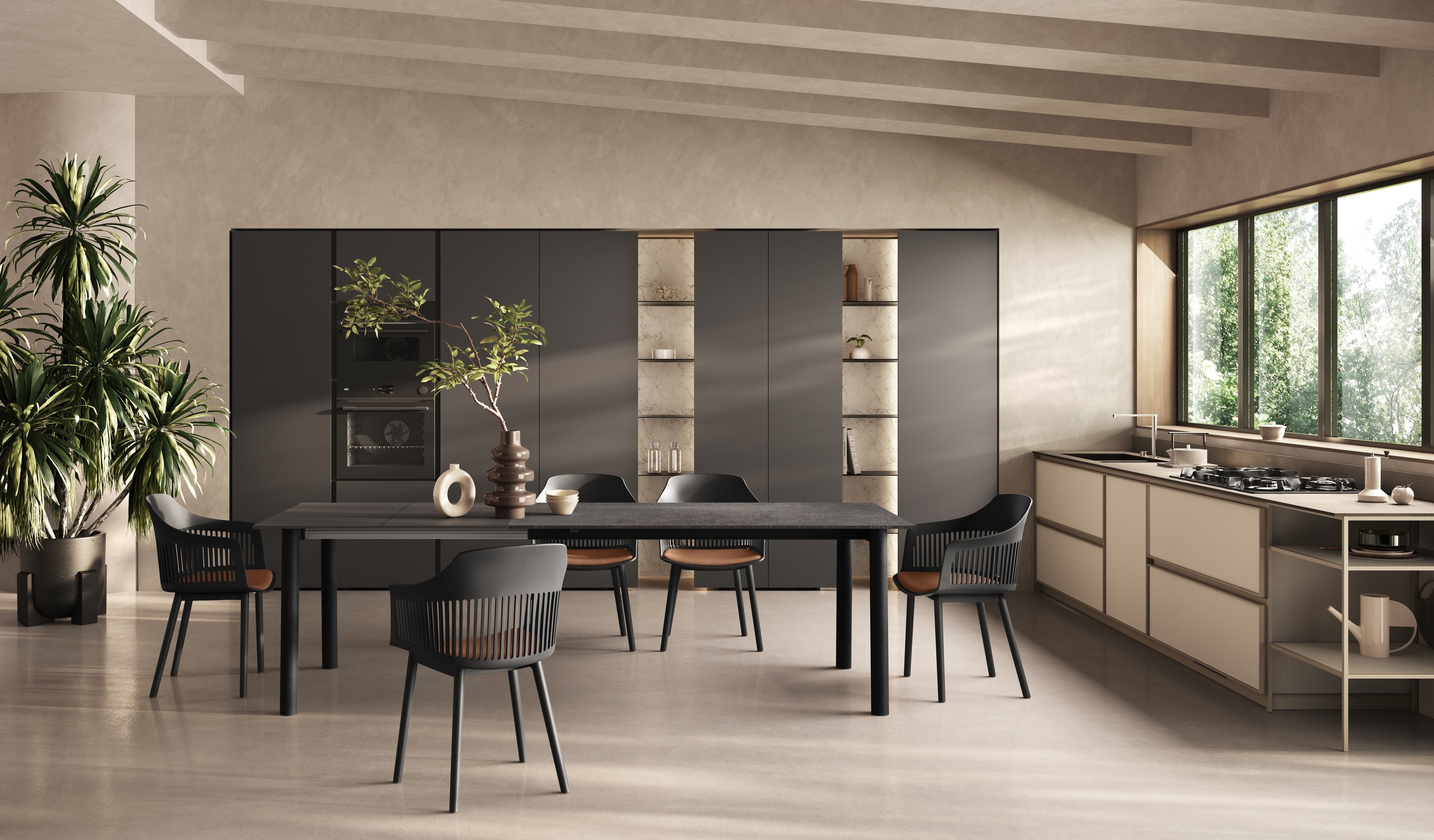
Extensible tables (are you familiar with our Letter model?) are a true trump card for contemporary apartments, which often feature small kitchens, where every centimetre counts. From Monday to Friday, they maintain a compact footprint, acting as a handy surface for unloading shopping bags. Then the weekend arrives, along with a surprise visit from relatives: in just a few moments, thanks to completely concealed extension mechanisms, the table transforms to double your seating capacity.
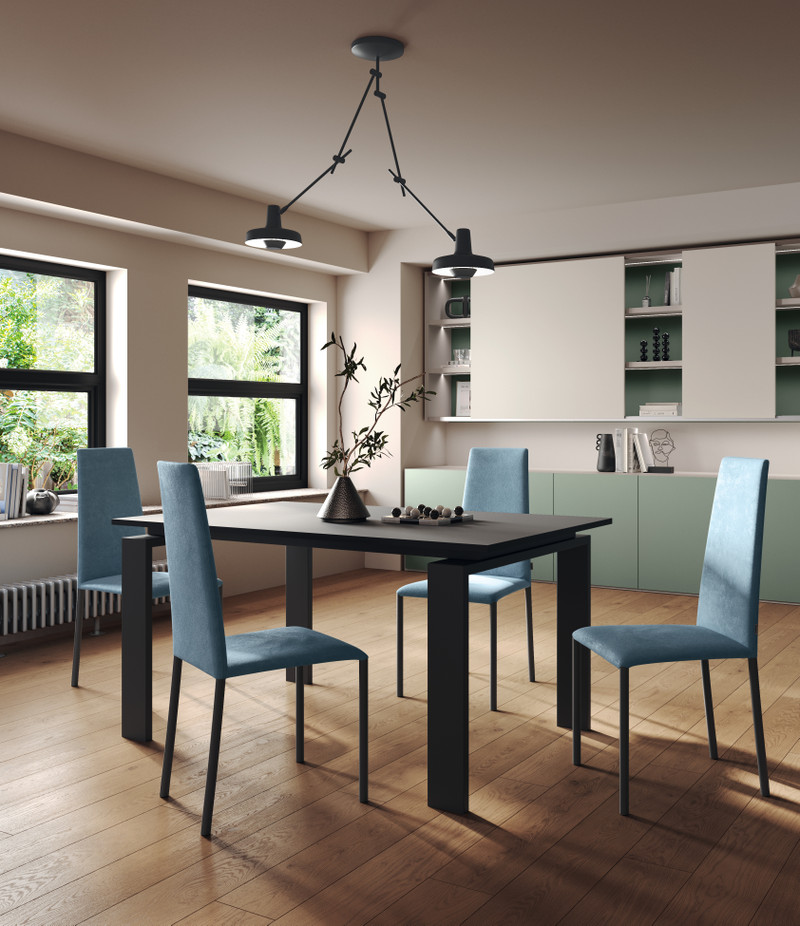
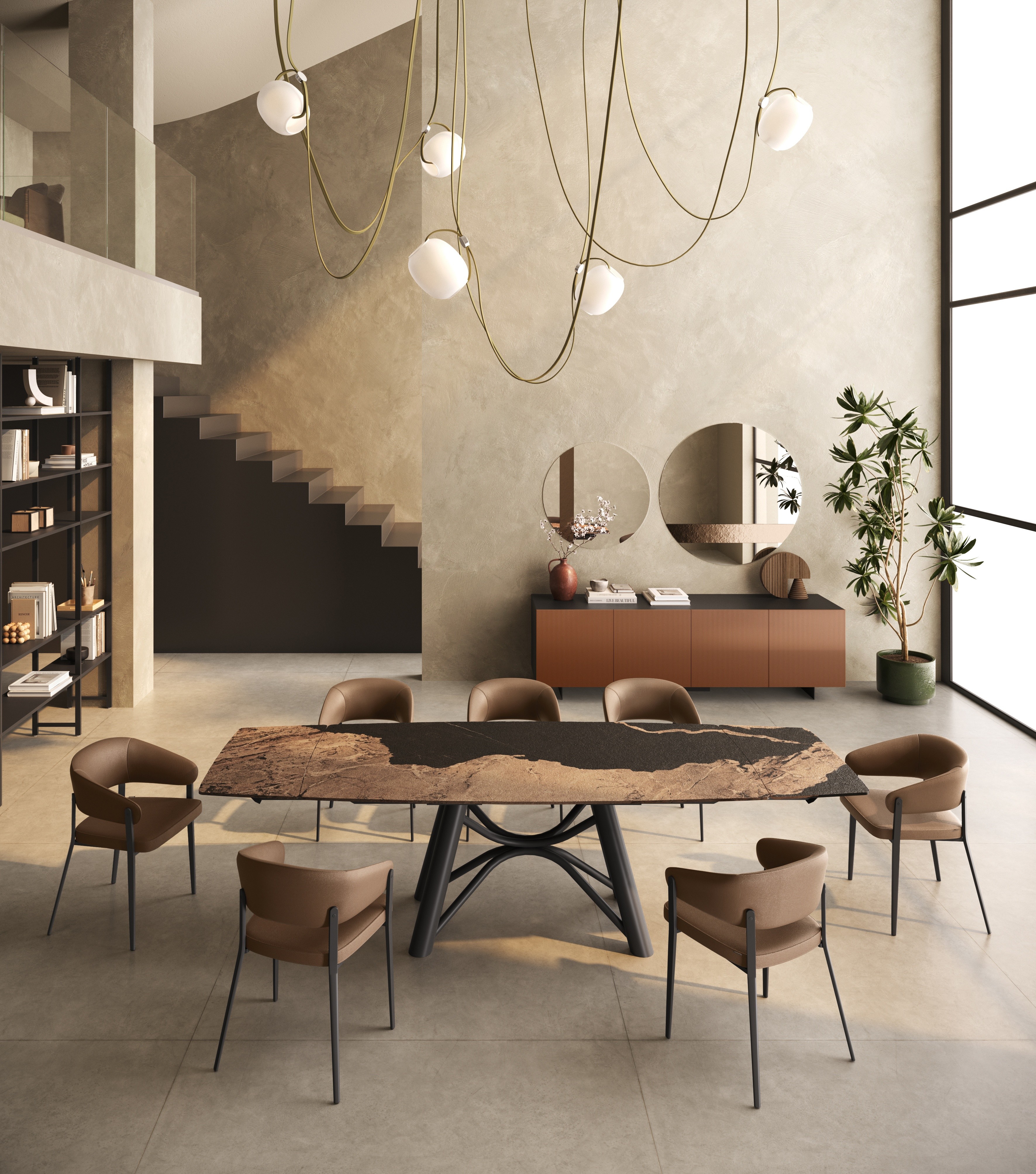
Fixed tables (how about the beauty of the Brooklin table?) tell a different domestic story. Free from visible joints and internal tracks, a fixed table delivers complete stability. Its clean, sharp silhouettes make it a striking sculptural centrepiece. Unsurprisingly, it thrives in generous spaces where it can take centre stage and shine: why not position it in the middle of a spacious open-plan living room?

Geometric shapes of a kitchen table: comparing the benefits
Another key factor in selecting a kitchen table is its shape: which configuration works best?
Compact rectangular and square tables
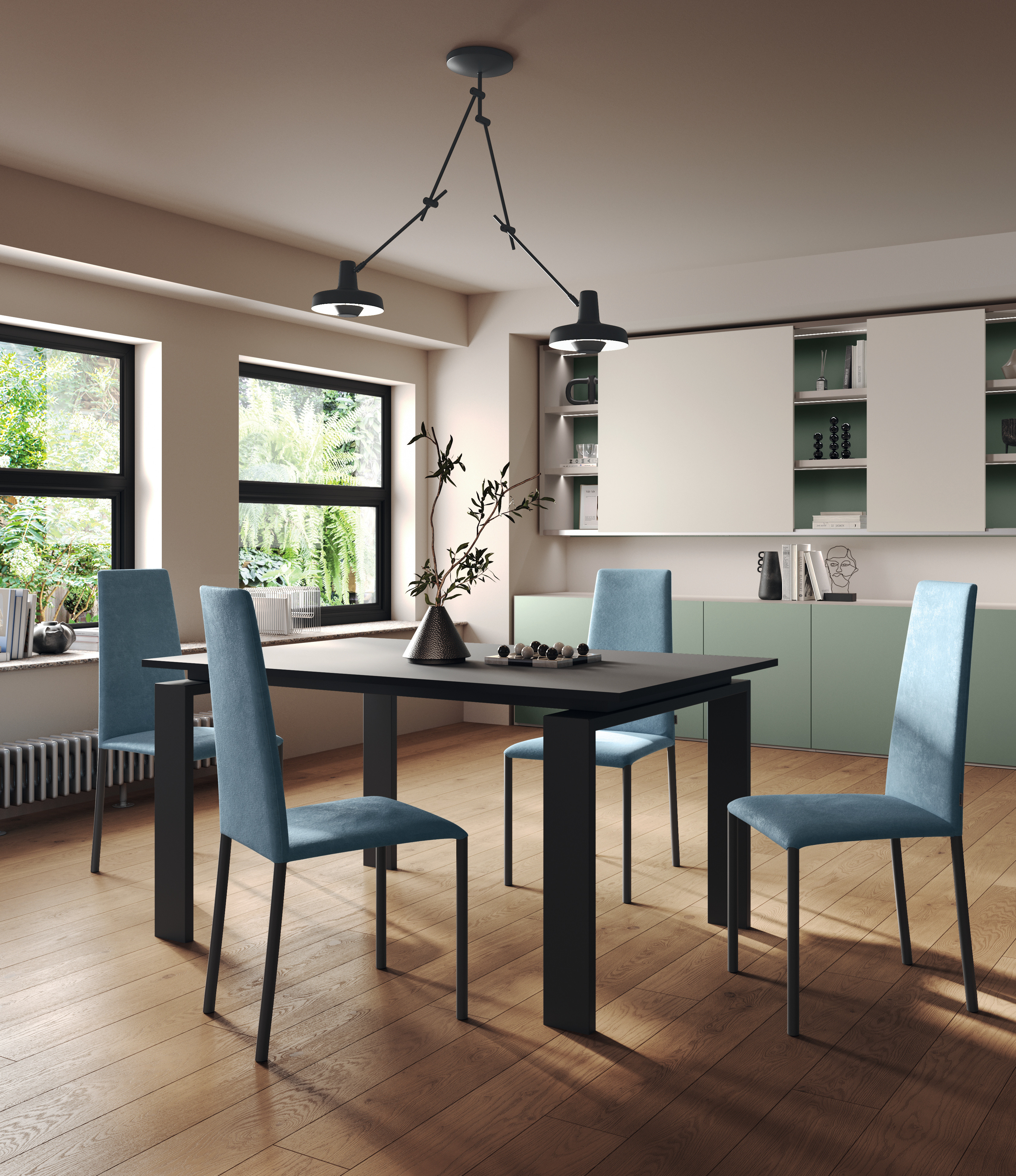
Geometric linearity always wins on versatility. Square and rectangular models, such as Osaka, can easily be placed flush against a wall to create a cosy nook and free up floor space, making them invaluable assets when space is tight. They are equally ideal for long, narrow kitchen layouts, naturally aligning with the room’s architecture. If you are dealing with challenging dimensions, explore our advice on organising small kitchens or browse our space-saving kitchen ideas and solutions.
Round and oval tables
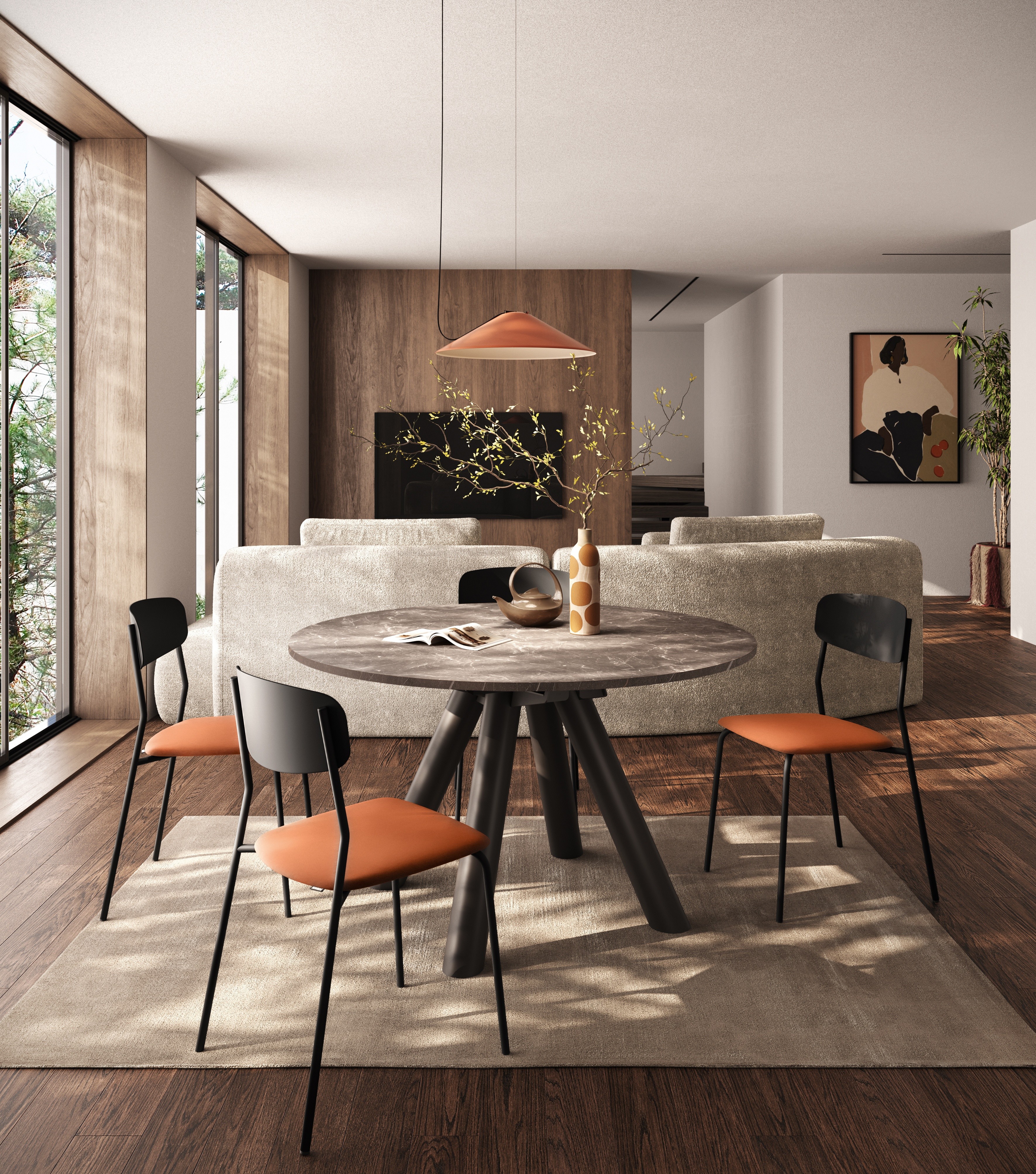
When it comes to conviviality, round styles like Style and oval designs like Note are unmatched. The absence of sharp corners allows every guest to face one another, keeping conversation flowing freely with no one relegated to the ends of the table. However, keep in mind a key spatial requirement: these shapes need a central placement to ensure sufficient clearance on all sides, particularly if you opt for an extensible round table.

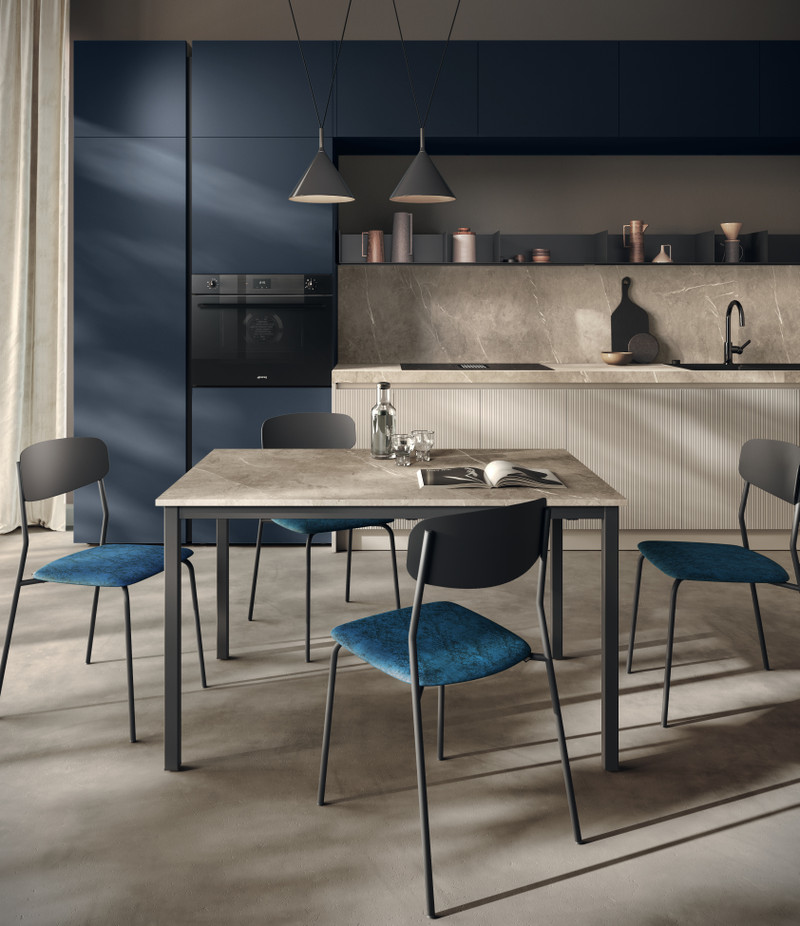
Innovative materials and premium finishes
Between hot pans and accidental spills, a tabletop undergoes constant wear and tear: a quality kitchen table must withstand daily use while preserving its aesthetic appeal. Ideas? Solid or veneered wood is a timeless choice that brings incomparable textured warmth into the home, defining the convivial space with a sense of serenity and formal simplicity.
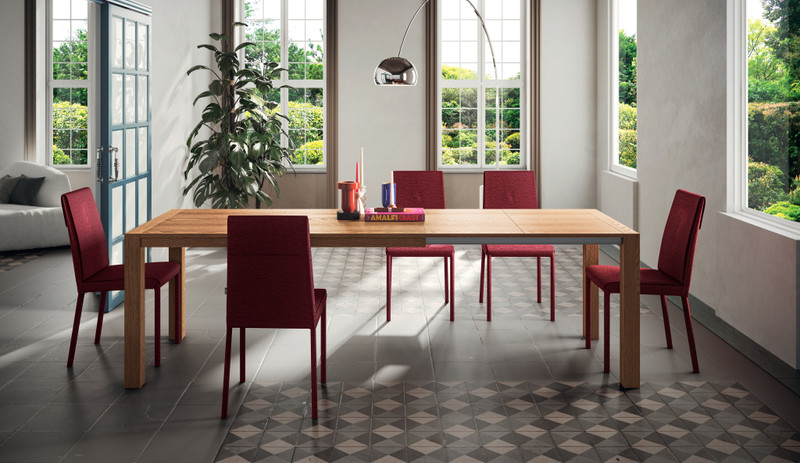
Today, the market offers a wide array of advanced technical surfaces: need some examples? Fenix stands out as a prime kitchen table material, offering a soft-touch, matt finish alongside exceptional scratch resistance. High-performance ceramics and porcelain stoneware are excellent alternatives, replicating the elegance of natural stone while eradicating porosity to act as virtually indestructible shields against heat and stubborn stains.


Frequently Asked Questions about kitchen tables
What is the most durable material for a kitchen table?
For heavy daily use, ceramic surfaces and latest-generation laminates offer the highest resistance to scratches, heat and stains, effortlessly blending practicality with aesthetics.
How do I calculate seating based on table measurements?
Allow roughly 60 linear centimetres per person. A 150 cm rectangular table comfortably seats 6 people.
Which table shape works best in a small kitchen?
Compact rectangular models or square extensible tables are ideal, as they can sit flush against a wall to free up valuable floor space.
The ultimate kitchen table checklist
Before getting lost in colour sample sets, use this quick checklist to evaluate your space. Spend a few minutes on these four items.
- Calculate your clearance: remember the 70 cm breathing room rule between the chair and the wall, allowing guests to stand up comfortably without any awkward acrobatics.
- Be honest about your routine: how many people sit down for dinner on a weekday? How many drop by on Sunday requesting a portion of lasagne? If there is a big difference, an extensible mechanism will save you endless hassle.
- Work with your floor plan: play to the existing geometry of your room. Rectangular profiles optimise long, narrow footprints, whereas circular tables create a gentle transition between cooking zones and living areas.
- Choose a lifestyle-proof material: if you have children with felt-tip pens running around or home bakers making pizza dough, Fenix or ceramic surfaces will give you total peace of mind. If you dream of intimate, atmospheric dinners, look no further than the natural grain of real wood.