How to design a natural kitchen
Bring nature home with wood

The foundations of a nature-inspired kitchen
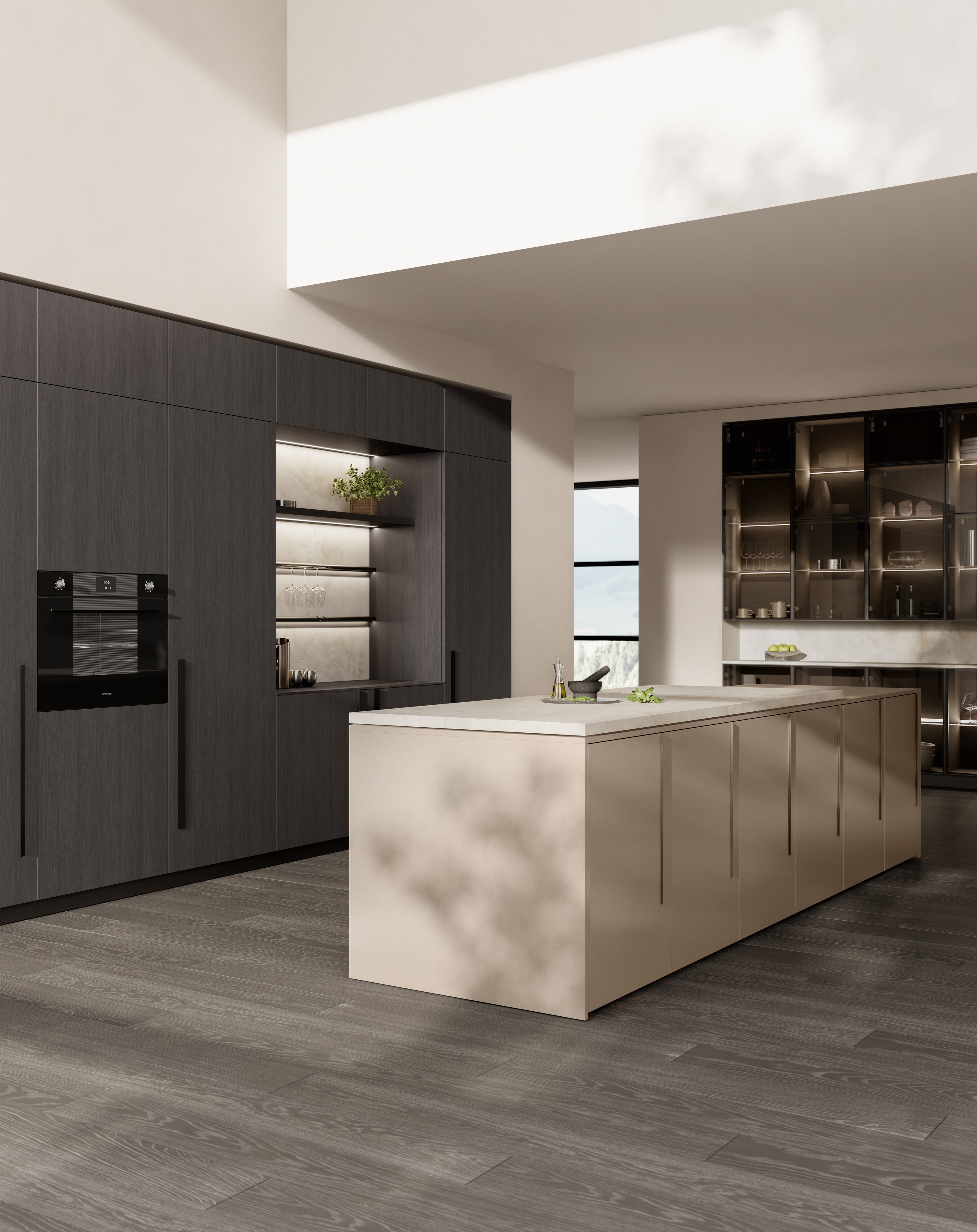
Surrounding yourself with natural elements does not mean turning your living area into a rustic mountain lodge. Instead, it is about masterfully balancing materials and textures to create a welcoming, contemporary environment. For instance, why not soften the textural warmth of wood with sleek, cool surfaces?Consider the dramatic impact of a large central peninsula: base units and kitchen worktop in porcelain stoneware blend seamlessly with beautiful wood-effect cabinet doors, creating an impeccable interplay of tactile and visual contrasts.


The new face of wood: timeless wood-effect kitchens
The myth has officially been debunked. You can forget the bulky proportions and dated feel of traditional rustic kitchens: today’s wooden kitchen is linear, understated and undeniably modern, proving that the primordial warmth of nature can easily coexist with the geometric precision of contemporary design.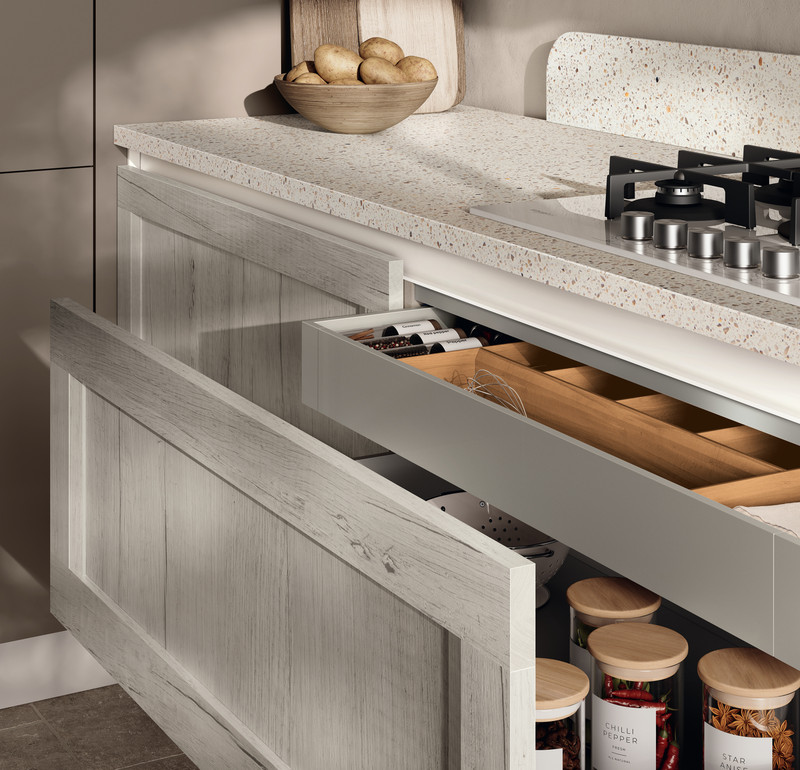
In this modern context, wood never overpowers a space; rather, it dresses it in clean, sophisticated elegance. Which finish should you choose for a natural kitchen? Scavolini offers a rich palette: take note to avoid mistakes!
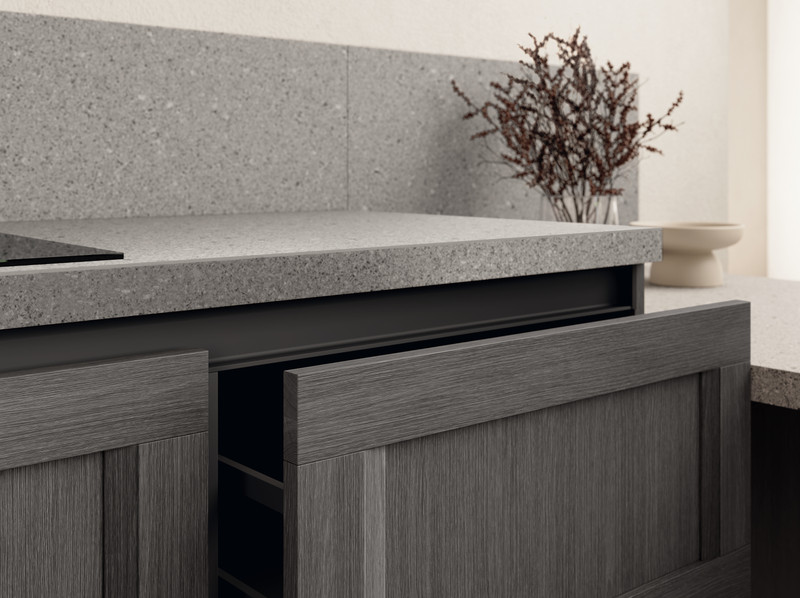
- Oak: celebrated particularly in light, Nordic-inspired tones, oak is ideal for bright, airy, open-plan spaces.
- Walnut: deep and enveloping, walnut reinterprets tradition by infusing even the most minimalist layouts with a touch of understated luxury.
- Veneers: the ultimate expression of tailored craftsmanship, veneers capable of taming the living soul of wood to reveal its true worth and beauty.

Natural light and biophilic design
You can design a breathtaking natural kitchen, but without the right lighting, the furniture risks looking dull and characterless. Ideally, prep zones should be positioned near large windows to capture natural daylight throughout the day while offering a seamless view outdoors (after all, washing up becomes a pleasure when you can enjoy a view of the garden).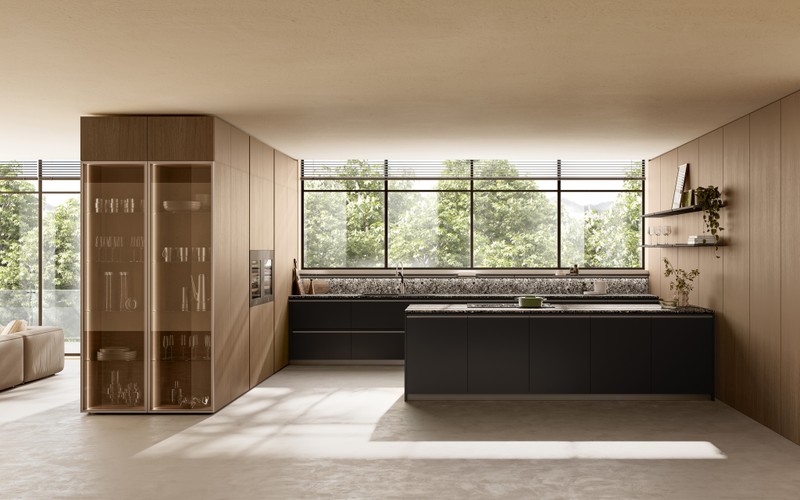
On darker winter days when the sun sets early, artificial lighting takes centre stage. Incorporate soft suspension lamps above the kitchen island, and install slim LED midway strip lighting to illuminate worktops perfectly while you chop vegetables.
The finishing touch: biophilic design encourages introducing greenery. Integrate small potted plants along open shelving, or make use of Scavolini’s kitchen wall panel containers to keep fresh herbs within arm’s reach.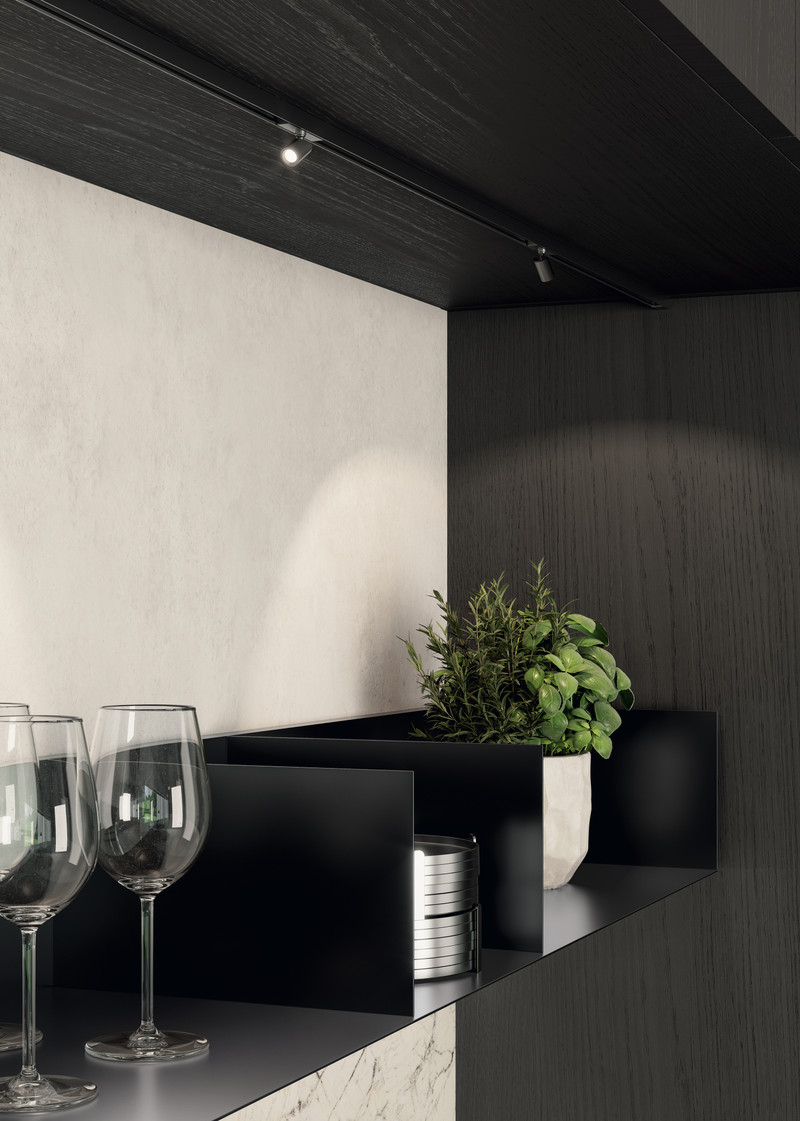
Frequently Asked Questions about natural kitchens
What are the best materials for a natural kitchen?
The winning combination combines veneered wood doors with porcelain stoneware or natural stone worktops.
How do you create a natural look in a small kitchen?
In compact spaces, opt for lighter woods such as Nordic oak, a neutral colour palette and visible shelves that allow light to flow freely, making the kitchen feel visually larger.