What is the difference between a sitting room and a living room?
Discovering the living area: the heart of the home
Have you ever wondered what the actual difference is between a sitting room and a living room? We often use these two terms as exact synonyms, assuming that both simply refer to that corner of the home where we place the sofa or television. Yet, if we look back through the history of interior architecture, we discover that these two spaces have distinctly different and fascinating backstories. Are you curious to learn more? Understanding the difference between a sitting room and a living room will help you design and organise your living area to perfection.

Historical origins: where does the difference come from?
To grasp the evolution of these two concepts, we need to step back in time to the 17th Century. During this era, within grand noble residences, the sitting room (or drawing room) was born with a specific purpose: a formal reception room for entertaining.
Imagine it as the true stage for intellectual life and the high-society social scene: it was an elite space for receiving guests, discussing politics, listening to chamber music or taking coffee on special occasions. Every single element inside had to convey prestige and refinement.
This concept of exclusivity was handed down for centuries, evolving over time while retaining its symbolic weight. In many Italian homes up until the 1970s, the concept of the famous “good parlour” was alive and well. You know the room: always locked at the end of the corridor, with a frosted glass door and permanently drawn curtains. It was strictly off-limits, opened only for Christmas greetings, family ceremonies or a visit from the family doctor. Inside shone polished crystal, vintage silverware, fine porcelain and sofas wrapped in protective covers. Children viewed it with a mix of awe and reverence, well aware that stepping inside with muddy shoes or a snack was out of the question.

The living room, by contrast, has always represented the informal, warm soul of the home. Originally emerging as an everyday dining room, it was where family members ate meals, chatted about their day, did homework at the big table and spent evenings together. In short, it was a room designed to be fully lived in every single day, completely relaxed, and without the fear of ruining a piece of furniture or creasing a cushion.
Living rooms and sitting rooms today: the rise of the contemporary living area
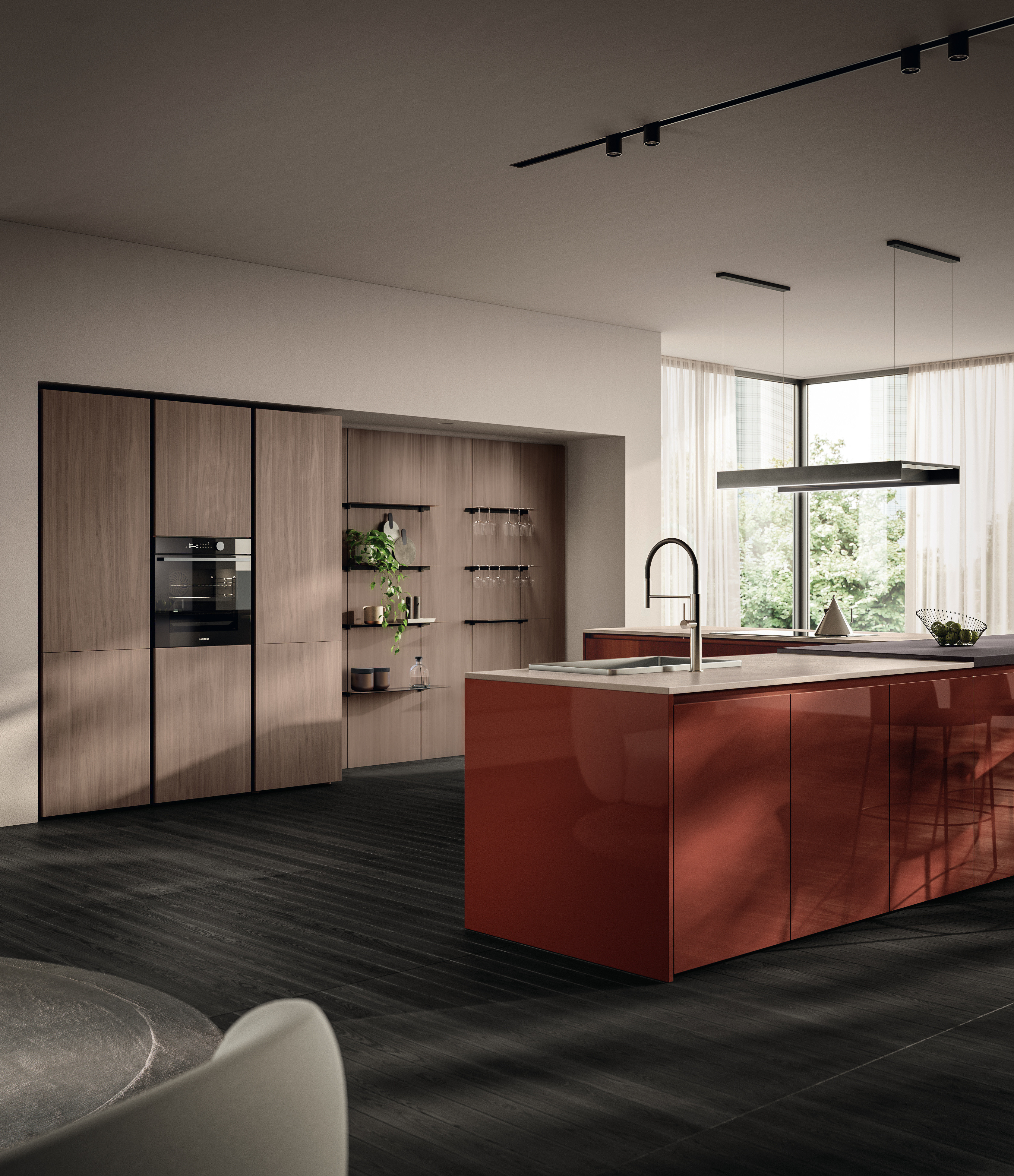
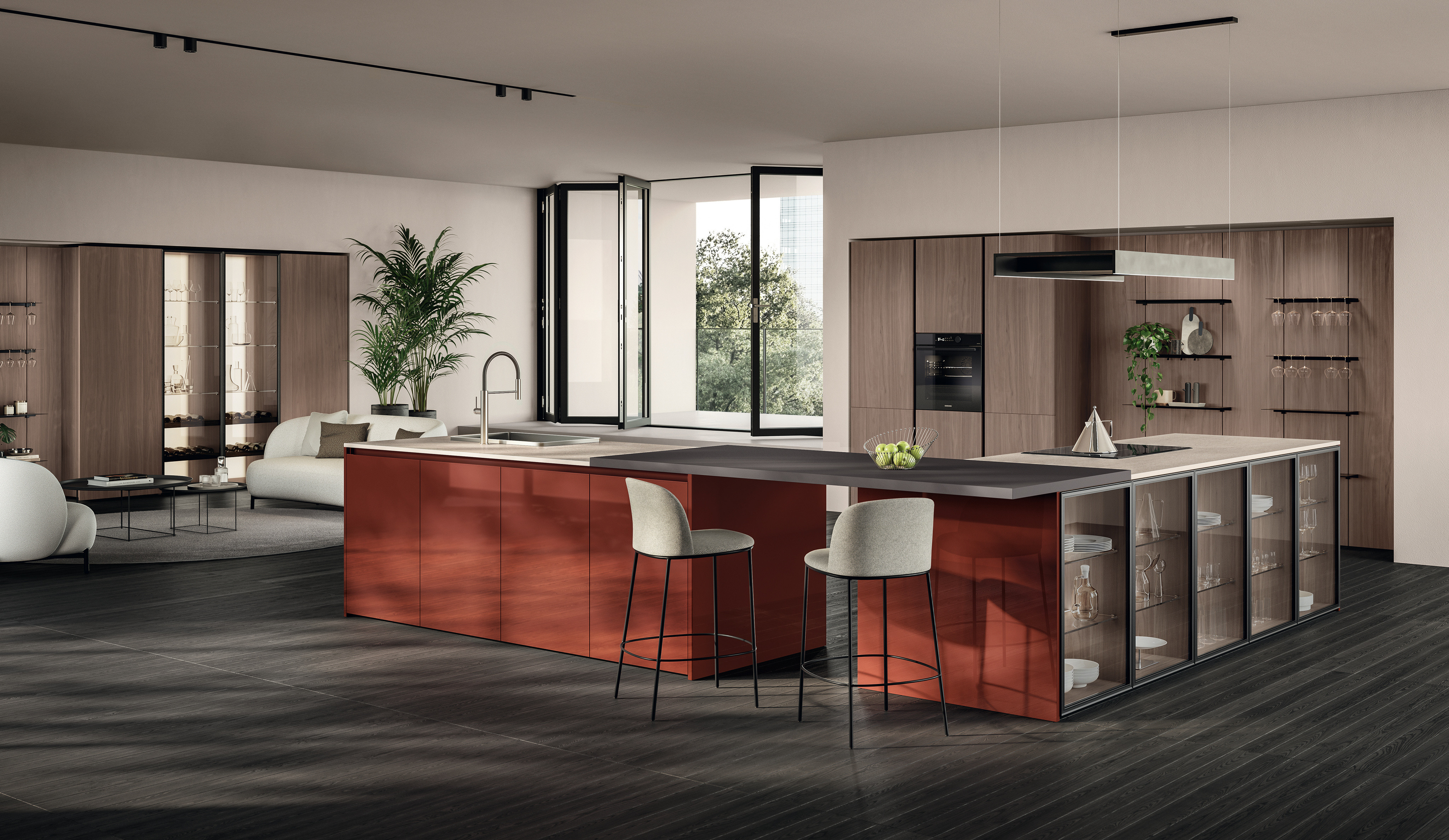
As time passed and our habits evolved, those rigid divisions began to crumble. Walls were quite literally “knocked down” to make way for open, bright, and multi-functional environments. In today’s homes, the traditional distinction between a living room and a sitting room tends to dissolve within the beloved concept of the open-plan layout, giving rise to a fluid, integrated living area designed for everyday life.
We know it all too well: the pace of contemporary life demands flexibility. In the very same spot where you grab a quick morning coffee before heading out, you might set up a temporary work-from-home station in the afternoon, and end up laughing with friends over an informal evening drink. That is why furnishing a modern living room means, above all, imagining a dynamic setting capable of adapting to any occasion without losing its stylistic identity.
Mind you, designing an open-plan layout does not mean sacrificing the elegance of the classic sitting room. Instead, it means satisfying various daily needs with a touch of clever design, opting for sophisticated furniture like the Poetica collection to delineate different functional areas while adding decorative value.
The modern living room: functionality and routine
In today’s living room, the main keyword is comfort. Fast-paced day-to-day life calls for spaces that are not only beautiful to look at, but exceptionally practical to live in. We need sturdy, spacious furniture capable of making clutter disappear in an instant.
Think of a typical Sunday afternoon with the family: the dining table transforms into the perfect worktop for baking a cake, someone relaxes on the sofa and the little ones play freely on the rug. How do you balance all these activities while maintaining order, especially in a small living room?
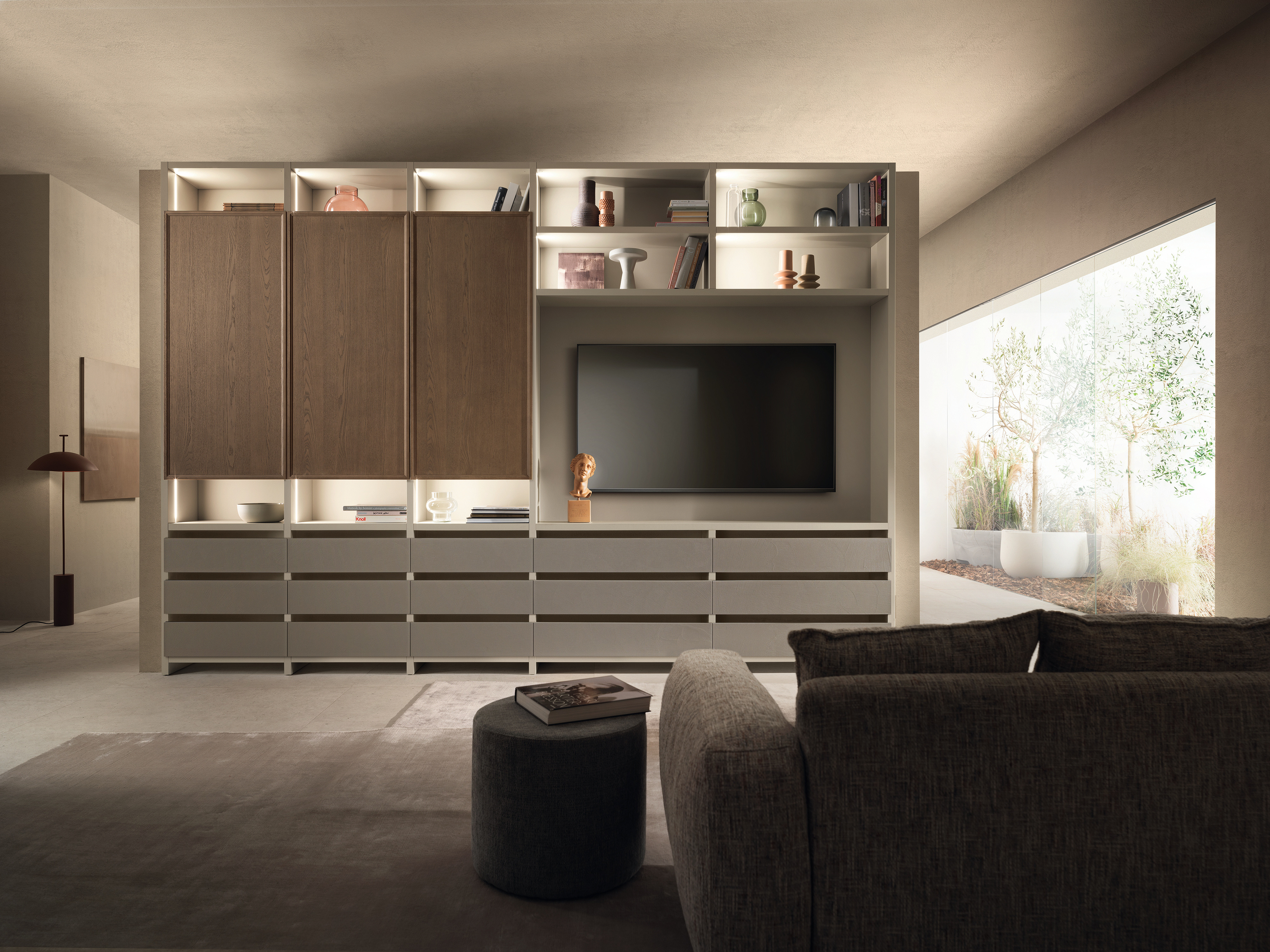
The secret lies in smart storage cabinets and the true star of entertainment: the multimedia station. Planning for a TV unit or an equipped wall allows you to create a seamless tech hub: TV screens, consoles and soundbars find their ideal spot thanks to concealed cable management that eliminates unsightly tangled wires forever.
Add a clever mix of visible modules (perfect for displaying your favourite books) and large closed compartments (your best allies for quickly stashing away remote controls, games or chargers), and you achieve a beautifully harmonious composition. The result? A super-functional living space to enjoy without stress, ready to face any daily twist in style.

The contemporary sitting room: elegance and conversation
While the living area is the domain of practicality, the modern sitting room serves as a sanctuary of pure design and relaxation within the living area. Good news: creating a sophisticated nook dedicated to leisure or conversation is entirely possible in an open-plan layout through strategic furniture arrangement.
To visually define this area without relying on walls, start with padded seating: positioning sofas correctly, i.e. centrally, preferably in a corner arrangement or an elegant face-to-face arrangement, creates a clear, distinct footprint. We then suggest adding welcoming armchairs and planning ambient lighting: sculpted floor lamps or warm, dimmable lights turn this perimeter into an intimate retreat.
Coffee tables complete the picture: placed in the centre of the conversation area or beside armrests, they add character to the setup while providing a practical surface for art books, magazines, a cup of tea or a glass of wine during evening gatherings.

Enhancing your living area with Scavolini solutions
Returning to open-plan layouts, living rooms and sitting rooms can coexist seamlessly thanks to highly modular furniture systems, starting with Scavolini wall systems.
- The Fluida Wall System: the perfect ally for designing spectacular double-sided, full-height bookcases. These structures visually separate the dining area from the TV or conversation nook without erecting solid walls, allowing light to flow freely through the open compartments.
- The Status System: if you prefer a contemporary, metropolitan feel, its open metal structures offer maximum creative freedom. By alternating open compartments with closed modules, you can separate different functions in the room with effortless lightness.
- Classic charm: for lovers of timeless elegance, classic furnishings combine fine craftsmanship, wall panelling and solid wood details with advanced storage technology, creating a natural dialogue between living and sitting areas.

Frequently Asked Questions (FAQ)
What is the main difference between a sitting room and a living room?
The main difference between a sitting room and a living room lies in their original functions: historically, the sitting room (or drawing room) was a formal reception space meant for entertaining guests, whereas the living room was an intimate, practical space reserved for day-to-day family life. In contemporary homes, these two concepts merge within modern open-plan layouts.
Can you combine a dining room and a sitting room in the same space?
Yes, it’s entirely possible to combine a dining area and a sitting room. In modern open-plan layouts, the dining area and conversation nook coexist without the need for partition walls. To visually define functional boundaries while keeping the space bright and airy, try using:
- open-fronted bookcases or full-height wall systems;
- free-standing sofas positioned in the centre of the room to frame the relaxation area;
- area rugs to anchor the conversation corner;
- modular equipped walls.
How do you define a contemporary living area?
Today’s living area is defined as a multi-functional, integrated space that brings together the kitchen, dining area, living room and sitting room within a single open space. It is a fluid, flexible environment custom-sized to accommodate daily domestic routines as well as relaxation and socialising.